Phú Mỹ digital twin tests value beyond 3D visualisation

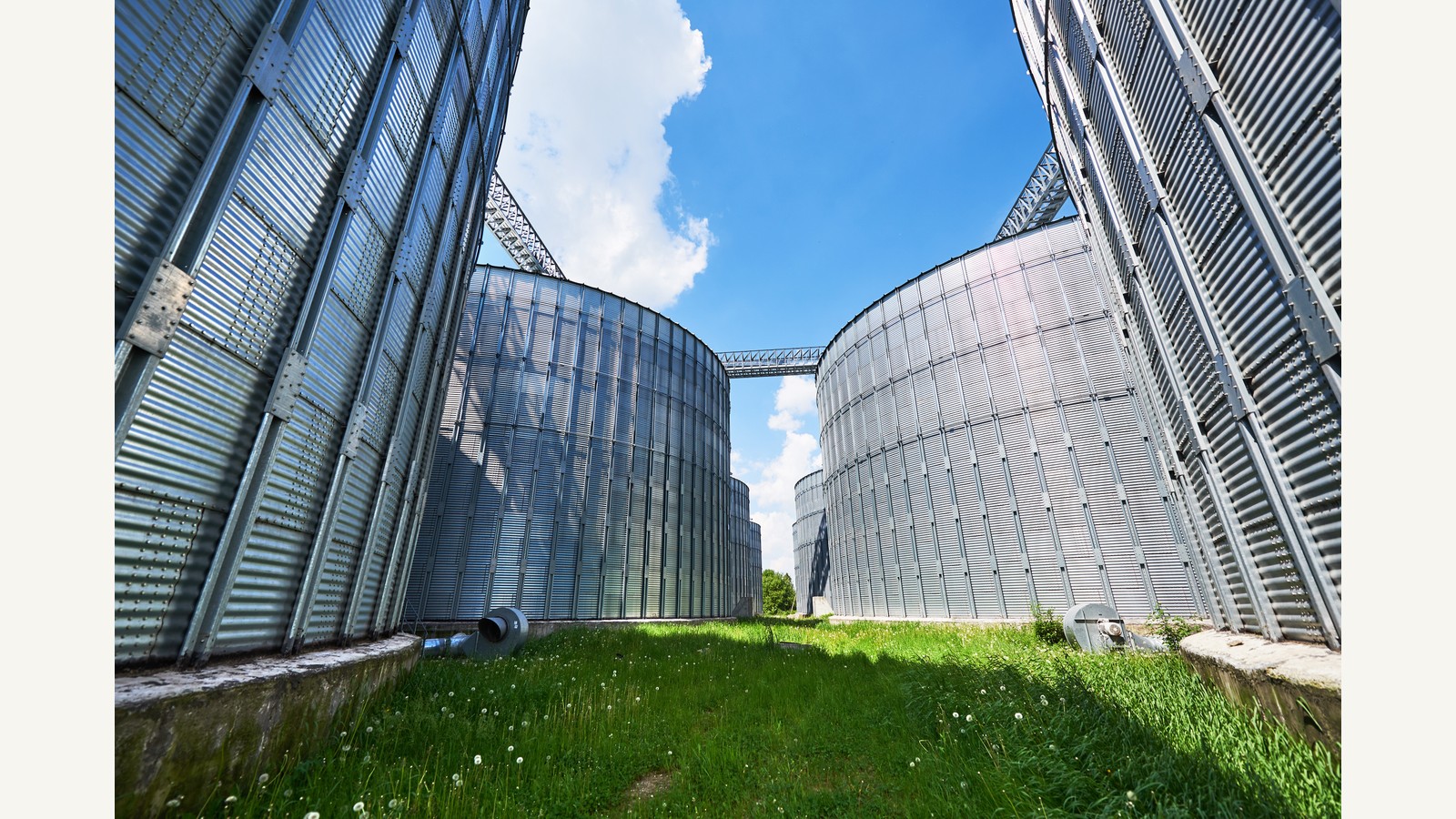
Illustration of an agricultural silo building exterior.

Technology group FPT and fertiliser producer PVFCCo-Phú Mỹ completed a digital twin at Vietnam’s Phú Mỹ Fertiliser Plant in mid-June. The partners started with site surveys and system design, then moved to data collection, integration and testing. The aim was to link the physical plant with technical records and operating data to improve maintenance, safety, training and management.

The system places 360-degree imagery beneath an asset hierarchy that runs from plant to workshop, area, equipment group and individual asset. It covers the production zones for ammonia, urea, NPK fertiliser and carbon dioxide, as well as warehouses and support areas. Each tagged asset can take users to drawings, catalogues, instructions and maintenance records, so static documents and live Internet of Things data sit in the same equipment context.

That structure is worth more than the visual tour. A three-dimensional model may make the plant easier to navigate, but it has operational value only when equipment identities match the engineering records. Technicians must be able to move from a pump or valve to the correct drawing, history and current condition without reconciling conflicting codes.

The Phú Mỹ deployment offers a practical adoption sequence for ageing industrial sites across Southeast Asia. Suppliers first capture the facility and audit existing records, then build the asset hierarchy, attach governed documents and connect selected operating feeds. Critical equipment should come first, because trying to clean every record before launch risks delaying the benefits.

FPT said Phú Mỹ’s maintenance teams had been held back by paper files and scattered data sources. Data cleaning and ownership therefore become part of the product rather than preliminary chores.

Workforce transfer is the next critical phase. FPT trained PVFCCo engineering, operations and management teams to navigate the model, locate equipment and retrieve tagged information, and users also practised sharing, annotation and reporting. That builds the knowledge into daily work and reduces reliance on the implementation team.

Lower downtime and faster repairs are still unproven

So far the project shows a working information layer and trained users. It does not yet prove lower downtime, faster repairs or fewer safety incidents; showing those will require tracking adoption metrics and operational performance over time.

IBM’s digital-twin maturity model draws a useful distinction: basic models are visual representations, whereas dynamic twins keep a live connection to physical assets and can support simulation. Maintenance platforms can go further, connecting twins to maintenance work processes and asset visibility.

For Phú Mỹ, the next commercial test is whether equipment tags become entry points for maintenance work orders, inspection findings and safety controls. Data from distributed control systems or supervisory control and data acquisition systems must also carry consistent timestamps and asset identities; otherwise stale documents and mismatched records risk breeding false confidence.

Cybersecurity and permissions add further constraints. A shared plant view can expose operating conditions, equipment layouts and safety data, so operators will need role-based access, change logs and clear ownership of every update.

A staged service for engineering-software suppliers

The repeatable commercial opportunity lies beyond one-off modelling contracts. Engineering-software suppliers can package site capture, asset-data mapping, system connectors and workforce adoption into a staged service, then extend revenue into managed updates, integration support and higher-value analytics.

That creates demand along the supply chain for imaging specialists, industrial data engineers, sensor vendors and maintenance-software providers. Local delivery capacity is important here, because brownfield plants carry decades of uneven records and staff knowledge that rarely fit a standard template.

FPT said the architecture can later support project management, infrastructure records, new-worker training and intelligent management tools. The prudent path is still incremental: suppliers that show faster information retrieval and better work execution before offering predictive capabilities will have the stronger case for replication across the region’s industrial assets.

Vietnam tests cheaper land and capped profits for middle-market housing

Illustration of a paper-model apartment tower supported by a folded ruled-paper plinth beneath a segmented translucent gauge, with a wooden gavel and model city blocks on a studio table.

Vietnam’s Ministry of Construction wants to mend a broken property ladder. It is drafting an ‘affordable commercial housing’ category to plug the gap in the country’s urban apartment market, with a target average price of 40–50 million Vietnamese dong (about $1,500–$1,900) per square metre.

The category sits between conventional social housing and the wider commercial market. The state offers cheaper land and recovery of eligible construction costs in return for a profit cap of roughly 15 per cent. The test is whether such a bureaucratic compromise can win over private developers while preserving construction quality and public value.

The core of the scheme is land allocation. Instead of making builders compete through auctions or competitive bidding, eligible plots would be allocated using provincial land price tables. This could take a hefty dose of guesswork out of the spreadsheet before the first spade hits the soil.

When auction prices soar, developers are pushed towards premium apartments because each sale must carry more of the land cost. Administered land charges give them room to target buyers without deep pockets, so they need not chase aggressive prices simply to recoup the site.

Swapping the auction block for official discretion moves the battle line. Winning a site will depend less on the highest bid than on which developer the authority picks. Provinces will therefore need clear tests of financial stamina, track record and design standards, along with explicit milestones and clawbacks for land left to gather weeds.

The gap between administered values and a possible open-market auction amounts to a public contribution, so open books and strict scrutiny are essential. They would help show that the state’s generosity reached homebuyers rather than related contractors.

A 15 per cent ceiling

A 15 per cent profit ceiling sounds tight, but it is generous next to the 10 per cent allowed for social housing. In a 2025 account, the Ministry of Construction noted that one seasoned firm had made a return of around 2 per cent after five years. It linked weak participation to low profitability and cited an industry call for a margin near 13 per cent.

In theory, 15 per cent could be enough to coax capable firms in, provided approvals are fast and eligible costs are drawn broadly. A single headline margin on development costs is fragile, though: administrative delays, interest payments and sluggish sales can erode it sharply.

The ministry’s promise to recognise actual construction expenses is reassuring. Rigid price caps invite corner-cutting on concrete and steel when raw material prices spike; a cost-recovery clause lets builders preserve structural integrity without breaching the price ceilings.

The danger of cost-plus accounting is that it can weaken the incentive to economise. Developers may shift earnings through affiliated contractors, architectural advisers or procurement arms. Keeping everyone honest will take independent cost audits and benchmark prices, along with public disclosure of related-party deals.

Regulators would do better to judge quality by outcome, with enforceable standards for structural performance, energy efficiency and after-sales warranties. This would give developers room to standardise layouts and buy materials in bulk without rewarding cheap fittings that push up maintenance costs later.

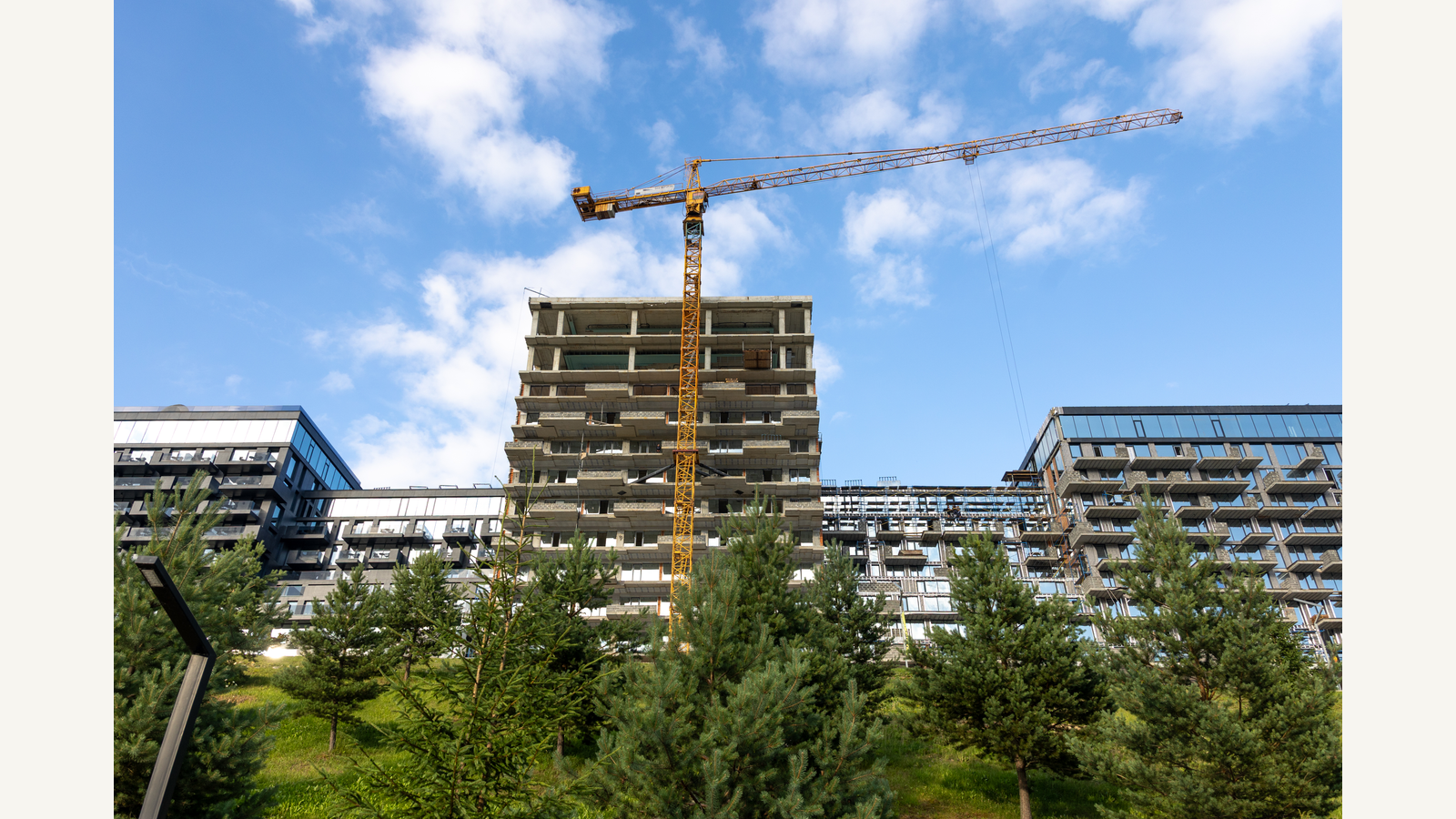
Illustration of a wide construction site with a tower crane and modern apartment buildings, showing active urban residential development.

The mortgage bottleneck

The ministry’s target is ambitious and would halve prevailing prices. CBRE, a property consultancy, put average primary prices in Hanoi at roughly 95 million dong per square metre in the second quarter; JLL recorded 98.1 million dong in Ho Chi Minh City.

Recent supply has been concentrated at the expensive end. About 16,600 new apartments came onto the Hanoi market in the first half of the year, yet for two consecutive quarters not a single newly launched project was priced below 60 million dong per square metre.

At the same time, buyers are feeling the pinch. CBRE noted that more than 5,800 Hanoi apartments sold in the second quarter, equal to 68 per cent of new supply, while secondary asking prices fell for the first time since late 2022. It linked the outlook to interest rates and buyer confidence.

Cutting sticker prices solves only part of the affordability puzzle, as a family still needs a deposit and a mortgage it can manage, and the new land and margin rules do nothing on their own to create long-term buyer finance.

Vietnam’s commercial banks rely mainly on short-term deposits, while housing needs long-term capital, which limits how many long-duration home loans they can extend. Affordable projects may therefore need stable mortgage programmes or a housing fund if discounted flats are to be manageable on monthly payments.

The draft rules would open purchases to people eligible for social-housing support, as well as to businesses, cooperatives and public agencies. To deter flipping, resales would be banned for at least five years after full payment, a safeguard against speculation but potentially an unhelpful leash on households that need to move.

Standard designs and compact floor plans

To make the maths work under price caps, builders are likely to seek repeatable designs, simpler finishes and faster construction. Standard windows, precast components and common mechanical systems could cut waste and building times while giving suppliers larger orders.

Floor plans will need similar discipline. The new category would allow more flexibility in project scale than social housing, including larger homes, but generous floor areas can wreck total affordability even when the price per square metre looks reasonable on paper.

The best developments are likely to pair compact private quarters with well-designed shared spaces near jobs, schools and transport. Cheap land on the urban fringe creates little public value if daily commuting costs swallow a household’s savings.

A regulated middle tier could ripple through the wider market. Some developers may redesign planned mid-market schemes to qualify; others may shun capped margins and stay in premium segments. Landowners, meanwhile, could see fewer auction windfalls where provinces reserve plots for the programme.

For developers, the sums add up if land costs are predictable, permits quick and infrastructure reliable. Provincial authorities have the harder task of keeping prices low while thwarting cost padding, shoddy workmanship and covert profit-shifting.

Vietnam’s blueprint is sensible in principle because it tackles land costs and developer margins together. Its success will hinge on execution more than on the headline 15 per cent. If provinces allocate good sites transparently and buyers can obtain durable financing, Vietnam may yet rebuild a working middle rung on its housing ladder.

Vietnam’s domestic cement demand rebounds 33 per cent in July

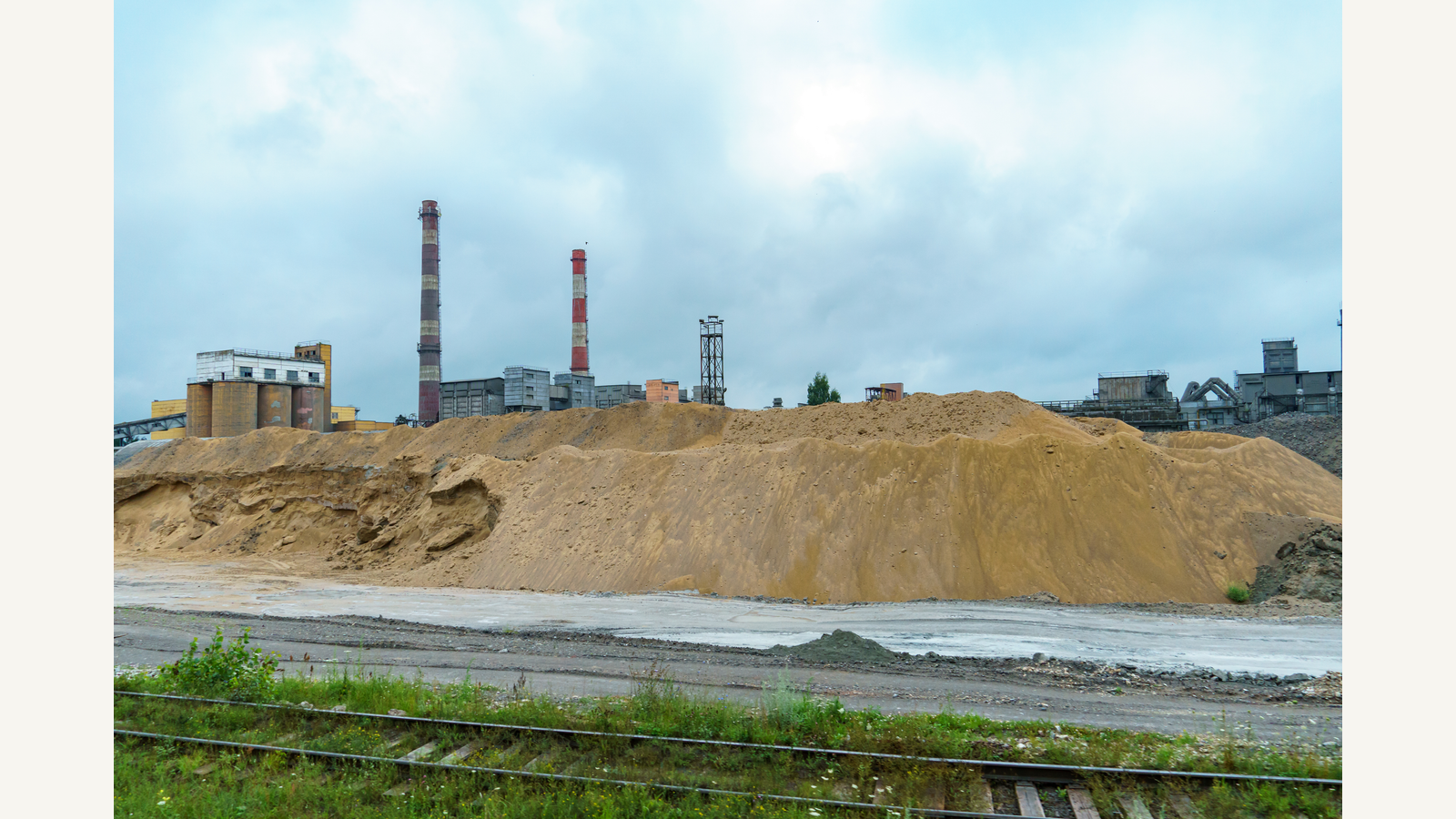
Illustration of a cement and concrete production plant with pipes and large storage tanks for sand and gravel, photographed in daylight.

Vietnam’s cement industry recorded a sharp domestic demand rebound in July as faster public-investment spending and major construction work lifted volumes. The monthly figures point to better plant and distribution activity, though not yet to a settled recovery in housing.

Industry production reached 12.11 million tonnes, up 14 per cent from June and 25 per cent from a year earlier, according to the Cement Information and Data Center. Total consumption of cement and semi-finished material was almost 11.30 million tonnes, up 8 per cent on the month and 23 per cent on the year.

Domestic consumption gave the clearest signal. It exceeded 8.17 million tonnes, up 9 per cent from June and 33 per cent year on year, outpacing both production and total sales and tilting the July mix towards the home market.

Southern Vietnam consumed more than 3.07 million tonnes, the largest regional volume, up 38 per cent from a year earlier. Central demand approached 2.33 million tonnes and the north reached 2.78 million tonnes.

The pattern fits an infrastructure-led recovery. Stronger demand has been attributed to faster disbursement of public investment and quicker work on major transport and industrial projects. Large projects typically create concentrated orders that can move quickly through ready-mix concrete suppliers and building-material distributors.

For producers, stronger southern demand raises the value of kiln capacity, grinding plants and depots close to active projects. It also puts more pressure on road and coastal distribution networks to get stock to where contractors need it. Procurement teams may need firmer delivery schedules, especially when several public works draw cement at once.

Yet national production exceeded reported consumption by about 810,000 tonnes in July, so higher output does not automatically mean tighter inventories or firmer pricing. Producers still need disciplined production planning in case project timetables slip or wet weather delays pouring and building work.

Housing remains the weaker test

Infrastructure can lift bulk deliveries without proving that private residential construction has recovered evenly. Vietnam’s Ministry of Construction expected broader property supply and demand to improve in 2026 as delayed projects resumed, but warned that the market remained sensitive to interest rates, capital costs and other economic conditions.

The distinction shapes the sales mix. Public works support large, scheduled orders, while housing produces a broader stream of bagged cement demand through retailers and small contractors. A durable cycle would need both channels to strengthen, rather than resting on government project execution.

The July rise follows a stronger 2025, when Vietnam sold a record 112 million tonnes of cement products, up 16 per cent, according to Ministry of Construction data reported by financial-data provider S&P Global. Domestic demand rose 13 per cent to 75 million tonnes on the back of public investment and major infrastructure work.

Exports still take more than a quarter of sales

July exports reached 3.13 million tonnes and generated $120.48 million, up 7 per cent from June. Finished cement made up 61 per cent of the volume and semi-finished material 39 per cent. Exports were therefore about 28 per cent of July sales, leaving producers materially exposed to overseas demand and freight conditions.

In the first seven months, production totalled 70.25 million tonnes. Domestic consumption reached 49.74 million tonnes, while exports were 22.53 million tonnes worth $840.96 million.

A stronger domestic mix can make better use of local distribution assets and trim reliance on export outlets at the margin. But exports remain important for absorbing capacity. Producers must balance domestic project orders against overseas commitments without building up inventory if either market softens.

July therefore gives a strong operating signal but falls short of confirming a full cycle. The next test is whether public spending turns into steady site-level demand and whether housing activity spreads beyond selected projects.

US quartz safeguard forces a four-year reset for Vietnamese exporters

Illustration of a handmade tabletop miniature with a pale stone slab held in a dark press, a folded unprinted paper dossier at its base, and small factory and container silhouettes in the background.

The United States has redrawn the economics of Vietnamese engineered stone. From 15 August, covered quartz surfaces from Vietnam face a four-year tariff-rate quota. Imports within the global quota pay an extra 25 per cent in year one; shipments above it pay 50 per cent.

The measure goes beyond raw slabs. It covers fabricated surfaces such as countertops, backsplashes, vanity tops and tiles whenever silica is the largest material by weight. Natural quarried stone, including granite and marble, falls outside the scope, so product composition and the records that prove it have become commercial weapons overnight.

Vietnam is heavily exposed. In the first nine months of 2025, the United States imported 29.766 million square feet from Vietnam, worth $258 million. That was 17.9 per cent of import volume and 21.2 per cent of value, too large a share for the developing-country exemption available to smaller suppliers.

The safeguard followed a 73.4 per cent leap in total US import volume, from 135 million square feet in 2020 to 234 million in 2024. The United States International Trade Commission concluded that increased imports were a substantial cause of serious injury to domestic producers.

One quota, shared by every non-exempt supplier

The first-year global quota is 13.006 million square metres, or about 140 million square feet, split into four quarterly limits of roughly 35 million square feet. Unused allocation can roll over into the following quarter, but any entries beyond the cap pay the higher tariff.

Vietnam’s nine-month volume in 2025 was equal to about 21.3 per cent of the entire first-year global pool. That is a comparison, not an assigned allocation, but it shows how heavily Vietnamese suppliers depend on capacity they must share with every other non-exempt source.

Quota timing will therefore shape margins as much as factory efficiency. Exporters need to track each shipment from production booking to US customs entry, because a delay near a quarterly deadline could push a consignment into a costlier duty band.

Contracts must also set firm rules on quota risk. Suppliers, importers and distributors have to settle who pays the higher duty if quota space closes before clearance; loose delivered-price promises could leave exporters financing costs they cannot control.

Landed costs jump from the first shipment

Trade data from 2025 point to an average customs value of about $8.67 per square foot for Vietnamese shipments. At that level, the first-year safeguard adds roughly $2.17 per square foot in-quota, and $4.33 above it.

On a shipment of 1,000 square feet at that average valuation, the safeguard alone adds about $2,167 within quota or $4,335 above it, a landed-cost gap of $2,167. Freight, standard customs duties and additional trade remedies come on top of this basic model.

Relief will be slow. In-quota tariffs taper to 23 per cent, 21 per cent and 19 per cent over the following three years, while above-quota rates fall only to 49 per cent, 48 per cent and 47 per cent. Exporters face a planning horizon of several years rather than a brief bump in the road.

The safeguard is cumulative, so existing anti-dumping, countervailing and other duties still apply where relevant. Vietnamese manufacturers must calculate costs product by product and origin by origin, rather than treating 25 per cent as the whole of their border bill.

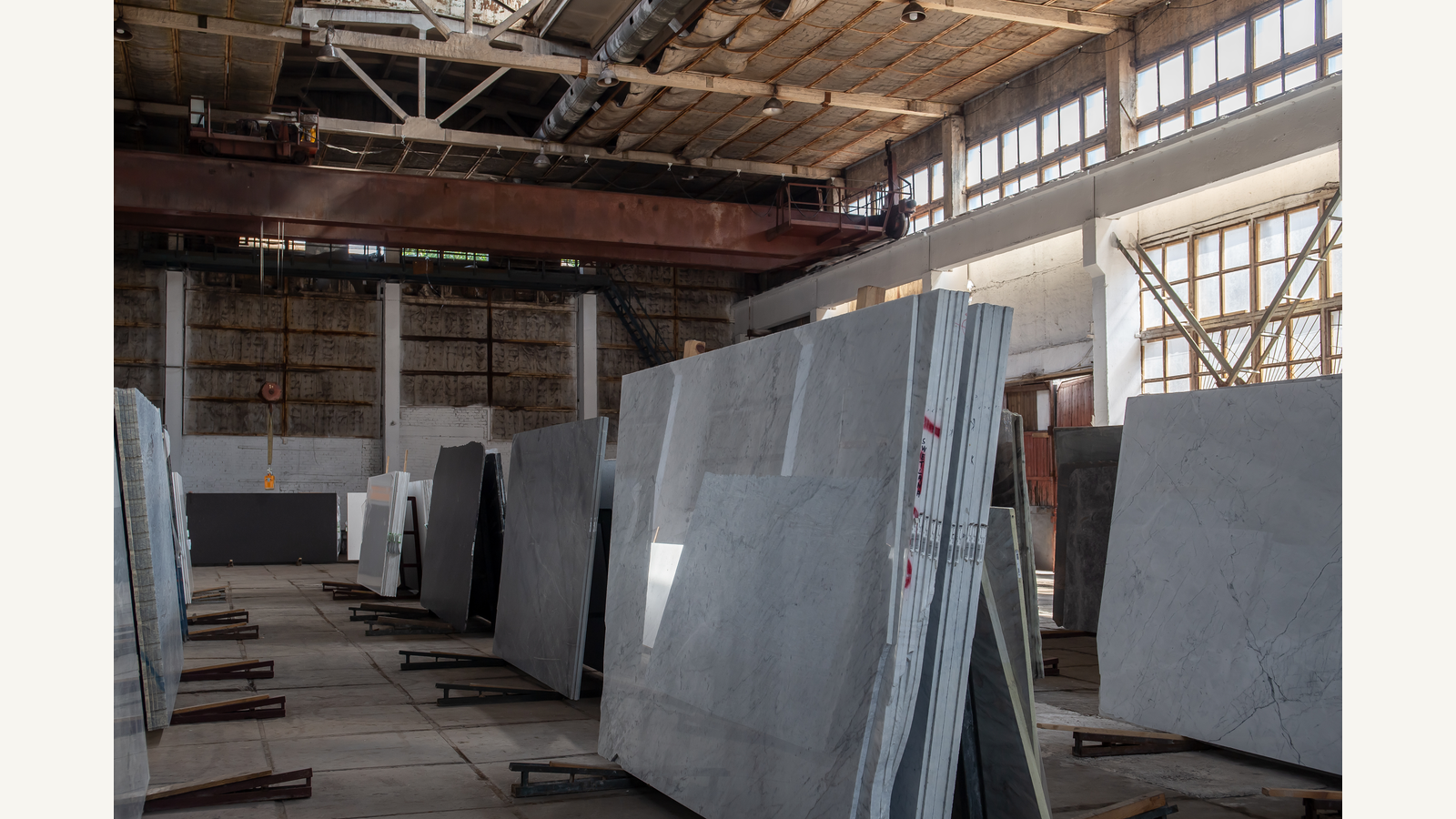
Illustration of upright polished stone slabs arranged in rows inside a large industrial warehouse, with reflective surfaces, vertical supports and open floor space visible.

Rerouting through ASEAN offers little shelter

The regional map is uneven. Singapore is excluded under a trade agreement and Indonesia is on the developing-country exemption list. Vietnam, Malaysia and Thailand appear on neither.

These splits may tempt buyers to reroute orders across Southeast Asia, but simple transhipment carries severe risks. US scope rules explicitly capture covered material finished in a third country through cutting, polishing, curing or edging.

US authorities have kept the power to counter circumvention and import surges from excluded countries. Earlier US anti-dumping and countervailing cases targeted China, India and Turkey, and Malaysia has faced circumvention scrutiny in the past.

For regional groups, traceability is the practical defence. Factories must assemble supplier declarations, production records, bills of materials and plant-level evidence of transformation that shows where the engineered slab was actually made, not merely where it was edged or boxed.

That trail runs upstream too. Resin, silica inputs and semi-finished slabs may move between regional plants before export. A group that cannot match material flows to export volumes could face customs delays, penalties or a damaging loss of buyer trust.

Product mix can stretch scarce quota

Exporters ought to manage the quota as a portfolio. Standard, lower-value slabs are least able to absorb a 25 per cent surcharge, whereas premium designs or fabricated pieces may earn margins high enough to justify using up scarce in-quota space.

Redesign offers little escape. Changing thickness, finish or shape will not take a silica-dominated engineered surface outside the safeguard rules. A genuine switch to quarried natural stone avoids the measure, but demands different sourcing and a different pitch to customers.

Other markets offer a buffer, even if they cannot replace US volume quickly. Manufacturers should test demand where their designs, certification and distributor ties carry weight, and aim at markets that reward finished pieces, short runs or fast delivery.

Any pivot needs pricing discipline. Offloading surplus stock into new markets risks fresh trade disputes or the collapse of baseline margins. A deliberate mix of US quota allocation and wider diversification is the safer course.

Distributors now decide the tariff band

US distributors now offer more than sales reach. Their customs systems, entry timing and inventory records determine whether Vietnamese products land in the intended tariff band. Exporters should favour partners that can report quota usage and landed-cost exposure quickly.

Inventory planning changes too. Building stock ahead of peak demand may secure availability, but it ties up working capital and raises warehousing fees. Waiting preserves cash, yet makes it more likely that shipments pay above-quota tariffs.

A sound commercial plan should test three paths: a base case that relies on in-quota access, a stress case at 50 per cent tariffs and a mixed case that spreads both rates across the year’s pipeline. Every client agreement needs to hold up under all three.

The four-year window gives exporters room to adapt, but only those who act early. Vietnamese producers must build quota management, origin verification and channel performance into their pricing models, so that execution at customs becomes a core source of competitive advantage.

Vietnam’s steel surge raises the stakes on trade and carbon

Illustration of a steel coil beneath a red port gantry, with a cargo vessel and an industrial plume against a layered Vietnamese coastal setting.

Vietnam’s steel industry has moved from recovery to rapid expansion. It produced 17.92 million tonnes of crude steel in the first seven months of 2026, up 28 per cent from a year earlier. Finished-steel output reached 21.4 million tonnes and sales rose to 21.186 million tonnes, both up by more than 15 per cent.

That is a strong industrial signal, though tonnage alone is not a simple measure of competitiveness. A durable steel industry has to sell the right grades at viable margins, and it has to withstand volatile input costs, trade barriers and demands for verified emissions data. Vietnam’s latest figures show progress on scale but leave each of those tests open.

The Organisation for Economic Co-operation and Development (OECD) puts Vietnam’s annual steelmaking capacity at 29 million tonnes. A government plan announced in February targets crude-steel production of 33–36 million tonnes by 2035, and 65–70 million tonnes by 2050.

Domestic demand is doing the heavy lifting

Construction steel and hot-rolled coil led the stronger product groups over the seven months, and they point to two different sources of demand. Construction steel goes into buildings and infrastructure, while hot-rolled coil feeds manufacturers that turn flat steel into machinery, vehicles and other products.

Volume alone can hide weakness in the product mix: coated sheet and cold-rolled steel both recorded lower production and sales. These are downstream products, where finish, consistency and customer qualification can count for as much as tonnage.

The contrast suggests that Vietnam’s near-term strength rests on basic construction demand and growing domestic supply of flat steel. It does not yet show that every processor is gaining pricing power. Producers adding capacity therefore need committed domestic buyers and a broader range of higher-value grades, rather than merely fuller furnaces.

Imports expose the limits of self-sufficiency

Vietnam imported almost 9 million tonnes of steel worth more than $6.68 billion during the seven months. It exported 6.69 million tonnes worth $4.54 billion. The resulting steel trade deficit was $2.13 billion, despite exports growing slightly faster by volume than imports.

A deficit is not in itself a sign of industrial failure. Imports may fill specifications, dimensions or delivery needs that domestic mills cannot meet economically, and they can supply processors whose finished goods create value elsewhere in the economy. Yet persistent imports alongside fast capacity growth raise a harder question about whether the new plants are closing product gaps.

Upstream, there is a further dependency. The Vietnam Steel Association says the industry still relies on imported iron ore, scrap and coking coal. More domestic crude-steel capacity can cut reliance on imported finished products, but it leaves mills exposed to freight, foreign exchange and disruption in raw-material markets.

For operators, that turns procurement from a support function into a strategic defence. Mills need a spread of suppliers, sensible inventories and contracts that share price risk. They also need flexibility in production, because a plant tied to one input route can become expensive when the cost of energy or seaborne materials moves sharply.

Illustration of steel coils arranged inside an industrial manufacturing factory.

ASEAN offers scale but concentrates risk

The Association of Southeast Asian Nations (ASEAN) absorbed 31.33 per cent of Vietnam’s steel exports and was the largest regional destination. The European Union took 17.5 per cent. ASEAN gives Vietnamese mills a nearby market, with shorter shipping distances and familiar commercial links.

That proximity can deepen regional supply chains. Vietnamese hot-rolled coil can supply fabricators elsewhere in Southeast Asia, while specialised imports flow the other way. The result can be a more connected production base rather than a set of national markets each trying to make every grade.

Concentration also leaves exporters vulnerable to a regional slowdown or a policy response. The OECD says Southeast Asian capacity is still growing. It also found patterns consistent with trade diversion after measures against Chinese steel, including rising flows through ASEAN. That brings closer scrutiny of origin and processing, even for legitimate regional suppliers.

The wider market is unforgiving. The OECD expects global excess capacity to reach 745 million tonnes by 2028, and it recorded 75 new anti-dumping and countervailing-duty investigations in 2025. More supply chasing slow demand tends to weaken prices, and governments answer import surges with broader barriers.

Carbon data become a commercial requirement

The European Union’s Carbon Border Adjustment Mechanism, which covers iron and steel, entered its definitive regime on 1 January. European importers must declare embedded emissions and surrender certificates linked to the price in the European Union Emissions Trading System. That pushes a practical data burden back through the supply chain.

For Vietnamese mills, the immediate issue is more than paying a carbon charge. Customers need reliable plant-level emissions information to calculate their obligations. Producers that cannot provide it risk slower customs clearance, conservative default values or weaker bids against suppliers with auditable records.

Europe takes less Vietnamese steel than ASEAN does, but it can set demanding commercial standards. Investment in energy efficiency, cleaner electricity and scrap-based production can lower a mill’s exposure. Measurement systems, product-level accounting and independent verification count just as much.

Turning tonnage into resilience

Vietnam’s surge is building real industrial capability. Strong demand for construction steel and hot-rolled coil can support larger, more integrated mills. Regional exports can widen their customer base, and domestic capacity can replace selected imports.

The test is whether that scale strengthens the whole system. Success would mean fewer critical product gaps, stronger downstream sales and less fragile sourcing, along with traceable emissions and export growth that survives trade scrutiny.

If capacity rises faster than these capabilities, Vietnam could swap one dependence for another, importing more raw materials, carrying more fixed costs and competing harder in protected markets. The strongest strategy is therefore selective expansion: add capacity where domestic or regional customers need it, and treat product quality, resilient procurement and carbon records as core assets.

Signify pitches connected lighting as Asian building operations platform

Illustration of a modern building exterior at night with illuminated windows.

Signify, the Netherlands-based lighting group, used its Innovation Day in Vietnam on 20 August to position connected lighting as a building-operations data layer. Its systems, which cover offices, hotels, factories and public infrastructure, give operators information on energy consumption, system performance and maintenance needs, so managers can act on measured conditions.

The pitch takes lighting beyond a simple utility purchase. A network of controllable light points already runs throughout a property, so it can become an operating platform. Signify reports 175 million connected light points worldwide and describes itself as number one in light-emitting diode (LED) and connected lighting.

For building owners, the immediate opportunity is a targeted retrofit rather than a full digital overhaul. Converting high-use areas first, against agreed pre-installation baselines for energy and maintenance, makes savings easier to test and gives a base for later expansion.

Mechanical, electrical and plumbing contractors can win more design and commissioning work, as their scope may extend from swapping out fittings to configuring controls and linking lighting data with the wider building-management system. That makes suppliers of luminaires, controls and software more dependent on one another.

Facilities teams get a clearer maintenance queue and can investigate poor performance before scheduled inspections find it. The economic case is sharpest where electricity costs are material or the lights are hard to reach. Hotels, airports and stadiums may also use controls to adapt spaces to different operating patterns.

Asian references widen the procurement case

Signify pointed to its connected-lighting work at Marina Bay Sands in Singapore and smart LED street lighting in Jakarta as evidence that its commercial offer spans both private real estate and public infrastructure.

The group says it has supported more than 37,000 projects and helped more than 10,000 cities and local authorities move from conventional lighting to connected LED. It has committed to helping customers save a cumulative 60 terawatt-hours of energy by the end of 2030.

Scale is relevant because the buildings sector remains a large climate target. Buildings and construction account for roughly 37 per cent of global carbon dioxide emissions, according to the United Nations Environment Programme. The agency estimates that energy-efficiency investment must more than double to $5.9 trillion by 2030 to remain aligned with climate goals.

Buyers still need proof of fit and payback

The same UN report says global building energy intensity has fallen 8.5 per cent over the past decade, while green-building certifications have nearly tripled. Speakers at the Vietnam conference argued that green standards increasingly affect access to international markets and capital, and that measurable performance can also strengthen supply-chain reporting.

Yet a broad platform claim does not remove procurement risk. Buyers should insist on compatibility with existing building systems, usable data exports and clear ownership of operating data. Contracts should also set out cybersecurity responsibilities and long-term support terms that outlast individual hardware cycles.

Payback should be tested site by site against a documented baseline. Tender documents can separate expected energy savings from maintenance and reporting benefits, then specify how each will be measured. That discipline gives owners evidence for investment committees and protects contractors from vague performance promises.

Connected lighting makes its strongest commercial case when it solves a defined operating problem. If Signify and its partners can prove savings and interoperability, routine lighting upgrades can open a larger market for building controls, service contracts and performance data.

Myanmar and Russia push to revive Dawei port, but commercial hurdles linger

Illustration of a large weathered ship anchor pressing into a stack of blank papers beside a small wharf and cargo vessel on a painted tropical coast.

Myanmar’s Ministry of Information announced on 6 July that procedures to resume work on Dawei were under way under the 2014 Myanmar Special Economic Zone Law, with the formal definition and approval of the deep-sea port limits in its final stage. This followed a February 2025 Myanmar-Russia memorandum of intent on investment cooperation. On 5 June, Russian power company Inter RAO and Myanmar’s Launglon Economic Development signed a separate memorandum for development of a power plant at the port.

These steps give the project official backing and a prospective energy partner, but no committed financing, concrete engineering designs or construction schedules for the wider zone. What has been made public on the full development goes no further than approvals, intent and planning.

Dawei’s troubled record raises the bar for investors. Myanmar ended its project agreement with the previous investor, Italian-Thai Development, in 2020, according to the Ministry of Information, and the authorities say they are now coordinating with a project developer to restart work. Financiers will need clarity on who owns the concession, where the asset boundaries lie and how earlier obligations are settled, while contractors need a clear employer with land rights, payment security and the authority to issue packages.

The proposed power station is a possible way in, since heavy industry needs a steady supply of electricity. But a memorandum is not an engineering, procurement and construction contract, and the official announcements leave out the essentials: generation capacity, fuel source, exact site, project cost, financing and who will buy the power.

Power generation and industrial development are mutually dependent, with a plant needing credible customers, and factories needing confidence that power will arrive. Breaking that circle usually takes phased demand commitments, bankable supply agreements or sovereign support. Feasibility studies, environmental approvals and an off-take structure would be useful next signals, though a financing mandate or tender notice would carry more commercial weight than another signing ceremony.

Illustration of port cranes and industrial waterfront infrastructure beside open water.

A feeder berth, not yet a deep-sea gateway

Final approval of the port limits would be a necessary administrative step. It would define the water and shore area controlled for port development, which in turn affects surveys, dredging plans, navigation design and the location of marine works. Yet the gap between what Dawei is now and a deep-sea gateway is still vast. A Ministry of Commerce logistics page describes one berth intended for feeder vessels after dredging to 7.5 metres.

That falls far short of a major deep-sea port, which the government page presents as planned development. Marine contractors should look for hydrographic surveys, geotechnical investigations and an approved dredging strategy before treating the project as ready for tender. Above all, the port’s business case rests on committed industrial tenants or on cargo forecasts backed by users; without them, capacity risks becoming a stranded asset.

The Dawei Special Economic Zone Management Committee presents the site as the western end of an overland corridor connecting Bangkok, Phnom Penh and Ho Chi Minh City, with a link to Thailand’s Eastern Seaboard. But Thailand’s National Economic and Social Development Council notes that economic corridors need policy alignment and regulatory integration as well as hardware. Paved roads alone do not make a working trade corridor.

A corridor Myanmar cannot deliver alone

Cross-border capacity, customs procedures and vehicle rules will shape trade flows as much as physical infrastructure, and a Myanmar port concession cannot settle them on its own. Contractors should separate work inside the economic zone from broader claims about cross-border logistics. Local marine or power packages could go ahead before the whole corridor works commercially, while weak border arrangements would shrink the port’s addressable cargo even if construction advanced. A bankable programme would also show formal Thai participation where cross-border assets or rules require it, and say who will pay for connecting roads and border facilities.

Security adds further commercial risk. The Irrawaddy reported on 14 July that Myanmar military operations had intensified near the project area in Yebyu Township, citing local and resistance sources. Although these claims are not independently verified, they point to risks to site access, workforce movement, insurance, equipment protection and political-risk pricing that commercial parties cannot ignore.

Where security conditions affect site access, international lenders and contractors may judge the underlying risks uninsurable, which would thin the field of bidders and push up capital costs. Procurement would need transparent access arrangements and credible safeguards for workers and residents, as well as environmental and social studies that reflect current conditions.

Dawei’s location on the Indian Ocean keeps its strategic appeal, and its political backing has strengthened. But administrative intent has to become documents that allocate risk before the project means much commercially. A disclosed concession structure and an updated masterplan would be important early steps, followed by funded procurement packages with a defined scope. Power capacity, fuel arrangements and the offtaker must be disclosed, and marine tenders should follow current surveys and environmental approvals. Financiers will also want evidence of equity, debt and any state guarantees. Contractors should test payment currency, dispute resolution and termination protection, and suppliers need realistic customs routes and security plans before committing people or inventory.

For now, the revival is one of negotiations and approvals rather than full-scale construction. Dawei is moving faster through government channels than through the machinery of a bankable project.

Hòa Phát turns Phú Quốc’s APEC build-out into an import-substitution test

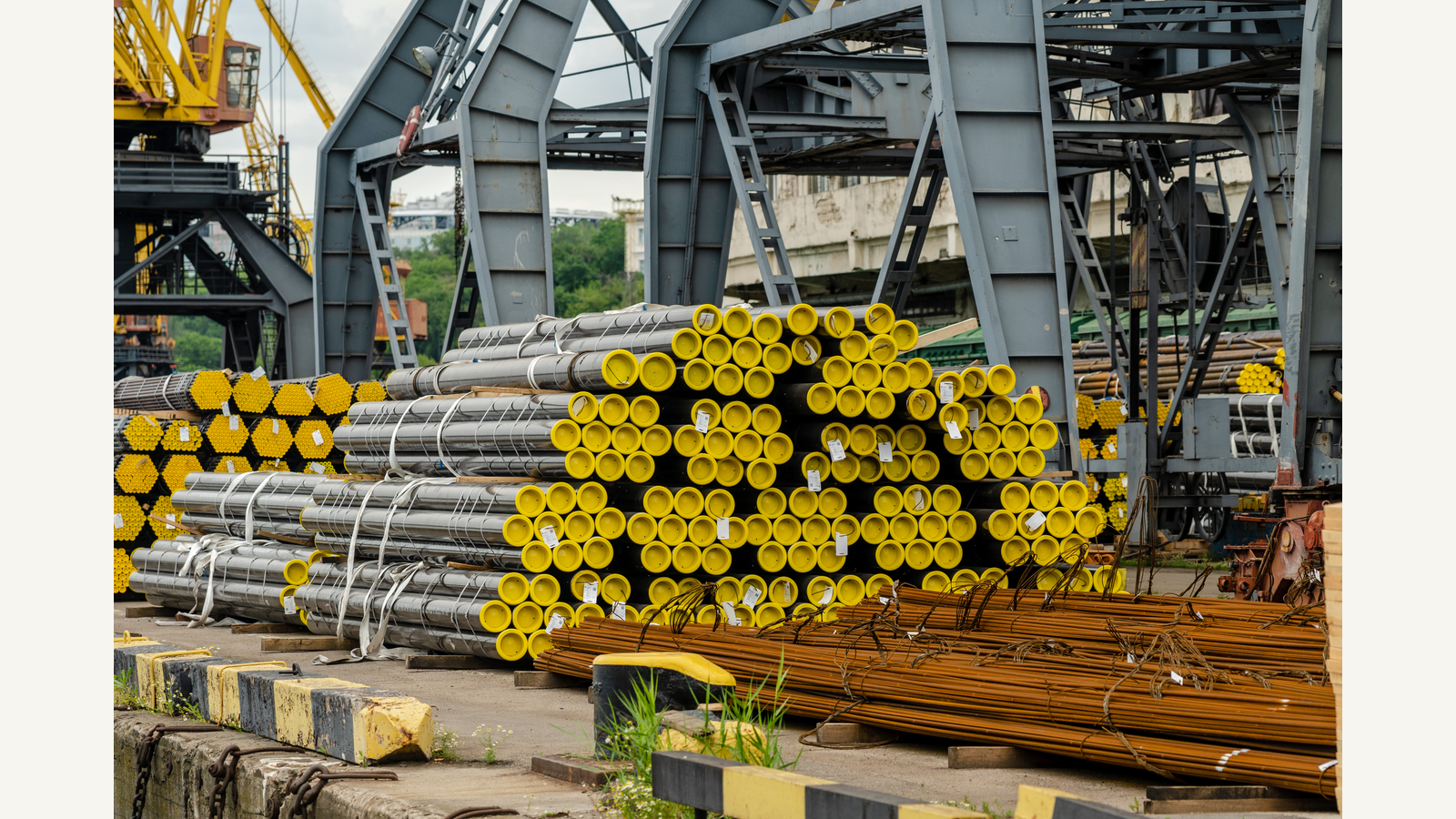
Illustration of large cylindrical metal pipes stacked for shipment at a seaport, with industrial handling equipment and open sky.

By July, Vietnamese industrial producer Hòa Phát Group had supplied more than 4,900 tonnes of steel pipe to an Asia-Pacific Economic Cooperation conference-centre project in Phú Quốc. The steel went through Đại Dũng, Fountech, Unicons and Hawee as construction sped up ahead of the 2027 summit.

The conference centre carries an investment of nearly 22 trillion Vietnamese dong (about $850 million) and covers about 57 hectares. Hòa Phát’s pipes go into the structural frames and roofing, as well as foundation-testing tubes, mechanical and electrical systems and central chillers.

These are technically demanding packages, not basic commodity sales. Pipes range from 59.9 mm to 323.8 mm in diameter. Products supplied to the conference centre and airport meet European EN 10219-1:2006 S355JR requirements, US ASTM specifications and British standards.

Hòa Phát also holds ISO 9001:2015 quality-management and ISO 14001:2015 environmental-management certification. For contractors, these credentials make it easier to qualify a domestic product for designs originally written around international specifications.

Import substitution in megaprojects hinges on regulatory and technical approval as much as on price: a domestic mill must show that its output meets the engineer’s specification, arrives with consistent documentation and reaches site on schedule. The Phú Quốc orders indicate that Hòa Phát can clear that bar across several distinct applications.

Contractors carry local steel into the projects

Hòa Phát supplied the conference-centre steel through contractors and distribution partners rather than relying on a single direct sale, placing the producer closer to fabrication, installation and project scheduling.

At Phú Quốc International Airport, the company has supplied nearly 2,000 tonnes of pipe, mainly for the terminal roof frame and foundation-testing tubes.

Hòa Phát puts its steel-pipe capacity at 1.2 million tonnes a year, which makes it Vietnam’s largest producer in the segment. That scale can reassure contractors that a domestic supplier can handle large packages without building a dedicated line for one project. It also raises the cost of delays if delivery planning fails.

Prestressed strand and the export case

The group sells more than pipe. It has supplied prestressed concrete strand (a high-strength cable used to reinforce concrete) for the conference-centre seawall and land reclamation, the airport expansion and the planned first phase of Phú Quốc’s light-rail line.

Hòa Phát makes the cable in a closed chain that starts with high-carbon wire rod from its Dung Quất steel complex. Control over feedstock can improve consistency and security of supply, and can limit exposure to imported semi-finished material when shipping rates or currencies swing.

Hòa Phát’s prestressed strand already complies with US, British and European standards, and the company has exported to the United States and Canada as well as to markets including Brazil, Mexico and Taiwan. Phú Quốc could therefore be a useful reference for further international sales, particularly where buyers demand proof of performance in major transport infrastructure.

Yet a reference project does not guarantee export orders. Overseas expansion will still depend on destination approvals, trade remedies, freight costs and how products perform once installed. The main commercial dividend from APEC 2027 may instead be a verified record that Vietnamese materials can win high-specification packages through established contractors and meet deadlines across interconnected projects.

Gia Lai industrial park faces early test of tenant-ready land

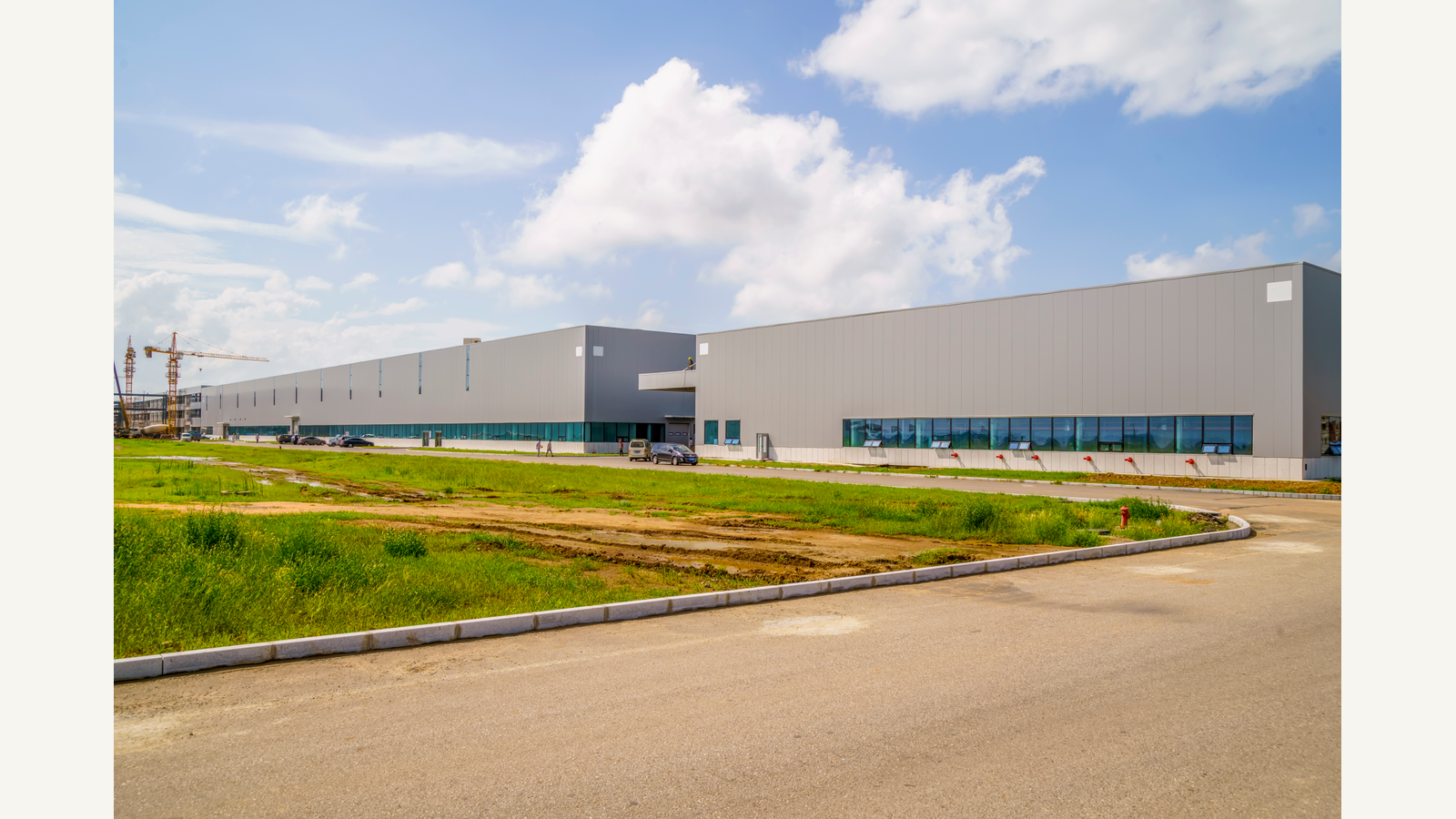
Illustration of an industrial park with a factory building and warehouse.

When Binh Hung Industrial Infrastructure Investment broke ground on Tây Giang Industrial Park in Bình Khê commune, Gia Lai, on 19 August, it launched a 1.8 trillion Vietnamese dong (about $69 million) project to expand regional manufacturing. The aim is to turn 300 hectares into a green manufacturing estate by the fourth quarter of 2029.

The real deadline comes much sooner. From January 2027 the developer intends to start courting secondary investors – factory operators that lease or acquire serviced plots rather than build the master estate. That aggressive schedule gives Tây Giang mere months to demonstrate that usable plots and essential infrastructure will materialise in credible phases.

On paper, Gia Lai has momentum. Its economy grew 8.21 per cent in the first half of 2026, and industrial and construction output rose 11.68 per cent. In the same period the province recorded 165 projects with nearly 164.75 trillion dong of registered investment.

Commitments on paper do not produce factory output, however. Turning interest into working plants takes land clearance, reliable power and water, adequate road links and enough time for tenants to secure permits and build. Tây Giang’s commercial test comes well before its 2029 completion date: whether it can hand over its first parcel with dependable services.

Phasing will decide the leasing story

A progress report in March indicated that cadastral surveying was largely complete. Local residents had been invited to verify technical land records, and the developer had completed a survey of forest conditions for land-conversion procedures. The preparatory work was moving forward, but steps of this kind show why the January leasing campaign needs an explicit delivery timeline.

Binh Hung could sharpen its pitch by publishing clear targets for cleared hectarage, internal roads and utility commissioning. Wastewater capacity is critical for an estate marketed on its environmental credentials: plant managers need measurable discharge standards and confirmed treatment capacity before they can assess compliance risk.

There is a benchmark nearby. The plan for the ecological industrial park south of National Highway 19 allocates 30.47 per cent of its site to green space, transport and technical infrastructure, and specifies planned daily water supply of 4,000 cubic metres and wastewater treatment of 2,100 cubic metres. Tây Giang will need commitments as concrete as these if its eco-friendly positioning is to win over corporate tenants.

The port corridor improves the address

Transport links are fast becoming central to the pitch. In May, Gia Lai directed agencies to expedite road connections to Tây Giang and backed Binh Hung’s use of its own capital to widen about two kilometres of existing road from National Highway 19 to Nam Giang village.

The wider corridor links production areas with Quy Nhon Port, which handled 6.3 million tonnes of cargo in the first half of 2026 – a 23 per cent year-on-year increase. The port plans capacity of about 13 million tonnes by 2028, while Gia Lai is developing the Lệ Thanh–Pleiku–Quy Nhon logistics corridor.

The route offers a plausible trade path for food processors, wood-product manufacturers and supporting manufacturers suited to the region’s raw-material base, which could share warehousing, freight and treatment services. That advantage depends on last-mile links being ready when manufacturers install equipment, not merely when the wider park is finished.

Occupancy is the harder measure

To get beyond land registration, Binh Hung must sequence infrastructure around anchor tenants. Early commitments from processors could justify shared cold storage, water treatment and supplier space, and give supporting manufacturers a reason to cluster nearby.

The operational risks are plain. Land procedures can delay possession, road upgrades can lag factory schedules and sustainability pledges may stay purely promotional without disclosed performance thresholds. A January 2027 investor drive is realistic as marketing, but serviced plots under construction will count for more than signed interest.

For Gia Lai, the prize is a larger industrial base and higher value-added exports. Success will show in practical execution on the ground rather than in headline announcements: cleared acreage, commissioned utilities, functional port access and real tenant capital committed on site.