

Hòa Phát turns Phú Quốc’s APEC build-out into an import-substitution test
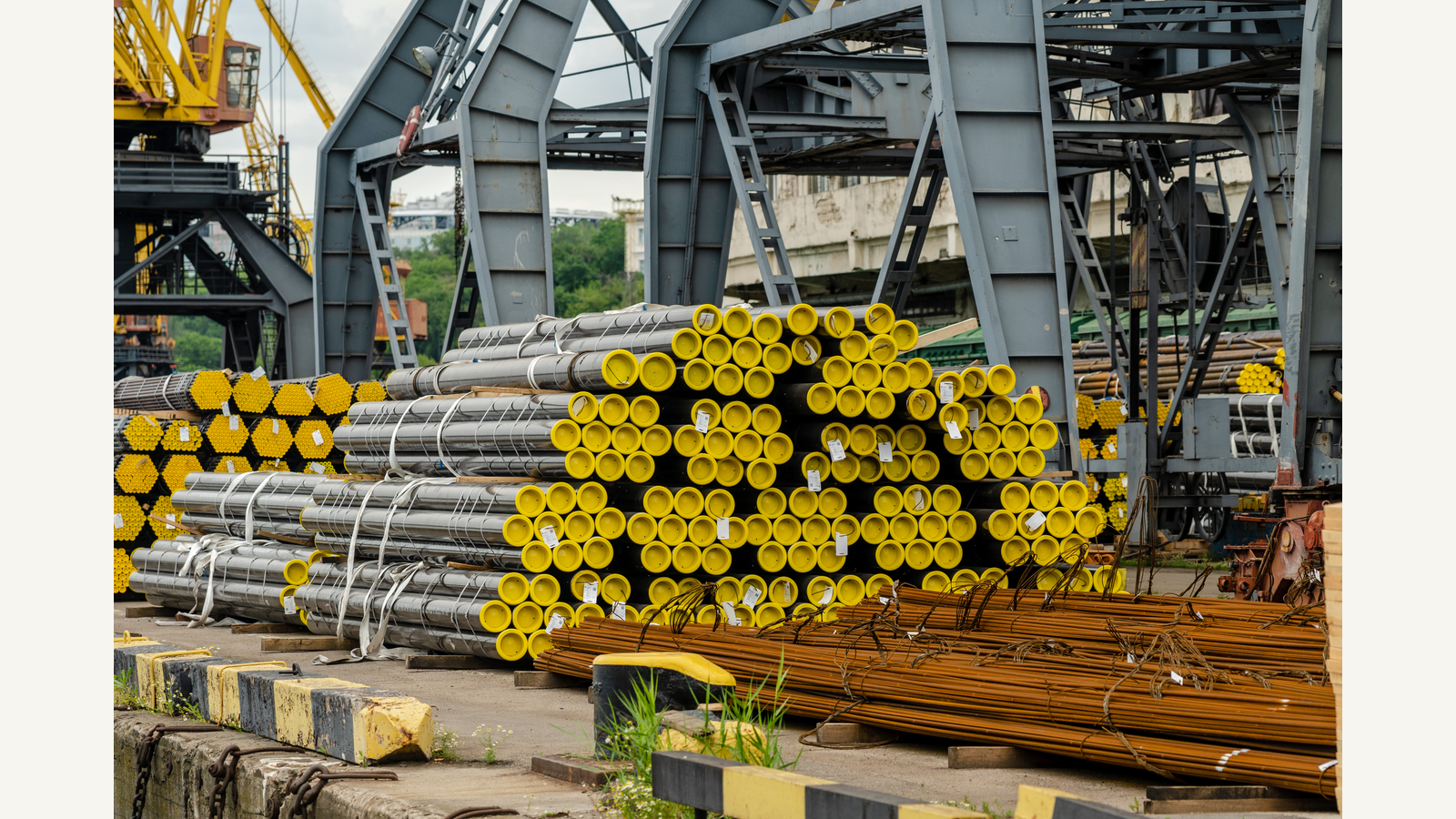
By July, Vietnamese industrial producer Hòa Phát Group had supplied more than 4,900 tonnes of steel pipe to an Asia-Pacific Economic Cooperation conference-centre project in Phú Quốc. The steel went through Đại Dũng, Fountech, Unicons and Hawee as construction sped up ahead of the 2027 summit.
The conference centre carries an investment of nearly 22 trillion Vietnamese dong (about $850 million) and covers about 57 hectares. Hòa Phát’s pipes go into the structural frames and roofing, as well as foundation-testing tubes, mechanical and electrical systems and central chillers.
These are technically demanding packages, not basic commodity sales. Pipes range from 59.9 mm to 323.8 mm in diameter. Products supplied to the conference centre and airport meet European EN 10219-1:2006 S355JR requirements, US ASTM specifications and British standards.
Hòa Phát also holds ISO 9001:2015 quality-management and ISO 14001:2015 environmental-management certification. For contractors, these credentials make it easier to qualify a domestic product for designs originally written around international specifications.
Import substitution in megaprojects hinges on regulatory and technical approval as much as on price: a domestic mill must show that its output meets the engineer’s specification, arrives with consistent documentation and reaches site on schedule. The Phú Quốc orders indicate that Hòa Phát can clear that bar across several distinct applications.
Contractors carry local steel into the projects
Hòa Phát supplied the conference-centre steel through contractors and distribution partners rather than relying on a single direct sale, placing the producer closer to fabrication, installation and project scheduling.
At Phú Quốc International Airport, the company has supplied nearly 2,000 tonnes of pipe, mainly for the terminal roof frame and foundation-testing tubes.
Hòa Phát puts its steel-pipe capacity at 1.2 million tonnes a year, which makes it Vietnam’s largest producer in the segment. That scale can reassure contractors that a domestic supplier can handle large packages without building a dedicated line for one project. It also raises the cost of delays if delivery planning fails.
Prestressed strand and the export case
The group sells more than pipe. It has supplied prestressed concrete strand (a high-strength cable used to reinforce concrete) for the conference-centre seawall and land reclamation, the airport expansion and the planned first phase of Phú Quốc’s light-rail line.
Hòa Phát makes the cable in a closed chain that starts with high-carbon wire rod from its Dung Quất steel complex. Control over feedstock can improve consistency and security of supply, and can limit exposure to imported semi-finished material when shipping rates or currencies swing.
Hòa Phát’s prestressed strand already complies with US, British and European standards, and the company has exported to the United States and Canada as well as to markets including Brazil, Mexico and Taiwan. Phú Quốc could therefore be a useful reference for further international sales, particularly where buyers demand proof of performance in major transport infrastructure.
Yet a reference project does not guarantee export orders. Overseas expansion will still depend on destination approvals, trade remedies, freight costs and how products perform once installed. The main commercial dividend from APEC 2027 may instead be a verified record that Vietnamese materials can win high-specification packages through established contractors and meet deadlines across interconnected projects.