Phú Mỹ digital twin tests value beyond 3D visualisation

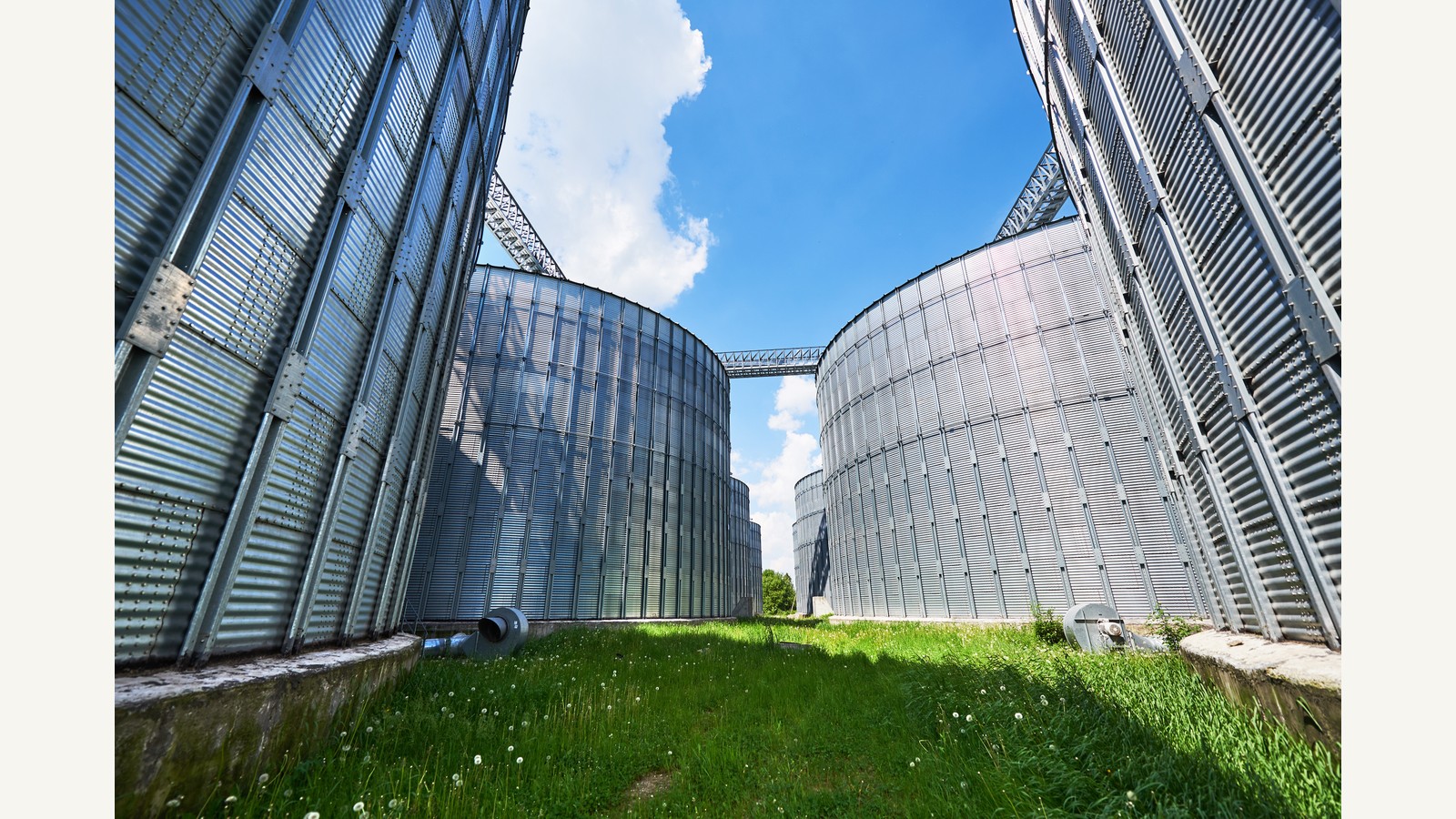
Illustration of an agricultural silo building exterior.

Technology group FPT and fertiliser producer PVFCCo-Phú Mỹ completed a digital twin at Vietnam’s Phú Mỹ Fertiliser Plant in mid-June. The partners started with site surveys and system design, then moved to data collection, integration and testing. The aim was to link the physical plant with technical records and operating data to improve maintenance, safety, training and management.

The system places 360-degree imagery beneath an asset hierarchy that runs from plant to workshop, area, equipment group and individual asset. It covers the production zones for ammonia, urea, NPK fertiliser and carbon dioxide, as well as warehouses and support areas. Each tagged asset can take users to drawings, catalogues, instructions and maintenance records, so static documents and live Internet of Things data sit in the same equipment context.

That structure is worth more than the visual tour. A three-dimensional model may make the plant easier to navigate, but it has operational value only when equipment identities match the engineering records. Technicians must be able to move from a pump or valve to the correct drawing, history and current condition without reconciling conflicting codes.

The Phú Mỹ deployment offers a practical adoption sequence for ageing industrial sites across Southeast Asia. Suppliers first capture the facility and audit existing records, then build the asset hierarchy, attach governed documents and connect selected operating feeds. Critical equipment should come first, because trying to clean every record before launch risks delaying the benefits.

FPT said Phú Mỹ’s maintenance teams had been held back by paper files and scattered data sources. Data cleaning and ownership therefore become part of the product rather than preliminary chores.

Workforce transfer is the next critical phase. FPT trained PVFCCo engineering, operations and management teams to navigate the model, locate equipment and retrieve tagged information, and users also practised sharing, annotation and reporting. That builds the knowledge into daily work and reduces reliance on the implementation team.

Lower downtime and faster repairs are still unproven

So far the project shows a working information layer and trained users. It does not yet prove lower downtime, faster repairs or fewer safety incidents; showing those will require tracking adoption metrics and operational performance over time.

IBM’s digital-twin maturity model draws a useful distinction: basic models are visual representations, whereas dynamic twins keep a live connection to physical assets and can support simulation. Maintenance platforms can go further, connecting twins to maintenance work processes and asset visibility.

For Phú Mỹ, the next commercial test is whether equipment tags become entry points for maintenance work orders, inspection findings and safety controls. Data from distributed control systems or supervisory control and data acquisition systems must also carry consistent timestamps and asset identities; otherwise stale documents and mismatched records risk breeding false confidence.

Cybersecurity and permissions add further constraints. A shared plant view can expose operating conditions, equipment layouts and safety data, so operators will need role-based access, change logs and clear ownership of every update.

A staged service for engineering-software suppliers

The repeatable commercial opportunity lies beyond one-off modelling contracts. Engineering-software suppliers can package site capture, asset-data mapping, system connectors and workforce adoption into a staged service, then extend revenue into managed updates, integration support and higher-value analytics.

That creates demand along the supply chain for imaging specialists, industrial data engineers, sensor vendors and maintenance-software providers. Local delivery capacity is important here, because brownfield plants carry decades of uneven records and staff knowledge that rarely fit a standard template.

FPT said the architecture can later support project management, infrastructure records, new-worker training and intelligent management tools. The prudent path is still incremental: suppliers that show faster information retrieval and better work execution before offering predictive capabilities will have the stronger case for replication across the region’s industrial assets.

Myanmar and Russia push to revive Dawei port, but commercial hurdles linger

Illustration of a large weathered ship anchor pressing into a stack of blank papers beside a small wharf and cargo vessel on a painted tropical coast.

Myanmar’s Ministry of Information announced on 6 July that procedures to resume work on Dawei were under way under the 2014 Myanmar Special Economic Zone Law, with the formal definition and approval of the deep-sea port limits in its final stage. This followed a February 2025 Myanmar-Russia memorandum of intent on investment cooperation. On 5 June, Russian power company Inter RAO and Myanmar’s Launglon Economic Development signed a separate memorandum for development of a power plant at the port.

These steps give the project official backing and a prospective energy partner, but no committed financing, concrete engineering designs or construction schedules for the wider zone. What has been made public on the full development goes no further than approvals, intent and planning.

Dawei’s troubled record raises the bar for investors. Myanmar ended its project agreement with the previous investor, Italian-Thai Development, in 2020, according to the Ministry of Information, and the authorities say they are now coordinating with a project developer to restart work. Financiers will need clarity on who owns the concession, where the asset boundaries lie and how earlier obligations are settled, while contractors need a clear employer with land rights, payment security and the authority to issue packages.

The proposed power station is a possible way in, since heavy industry needs a steady supply of electricity. But a memorandum is not an engineering, procurement and construction contract, and the official announcements leave out the essentials: generation capacity, fuel source, exact site, project cost, financing and who will buy the power.

Power generation and industrial development are mutually dependent, with a plant needing credible customers, and factories needing confidence that power will arrive. Breaking that circle usually takes phased demand commitments, bankable supply agreements or sovereign support. Feasibility studies, environmental approvals and an off-take structure would be useful next signals, though a financing mandate or tender notice would carry more commercial weight than another signing ceremony.

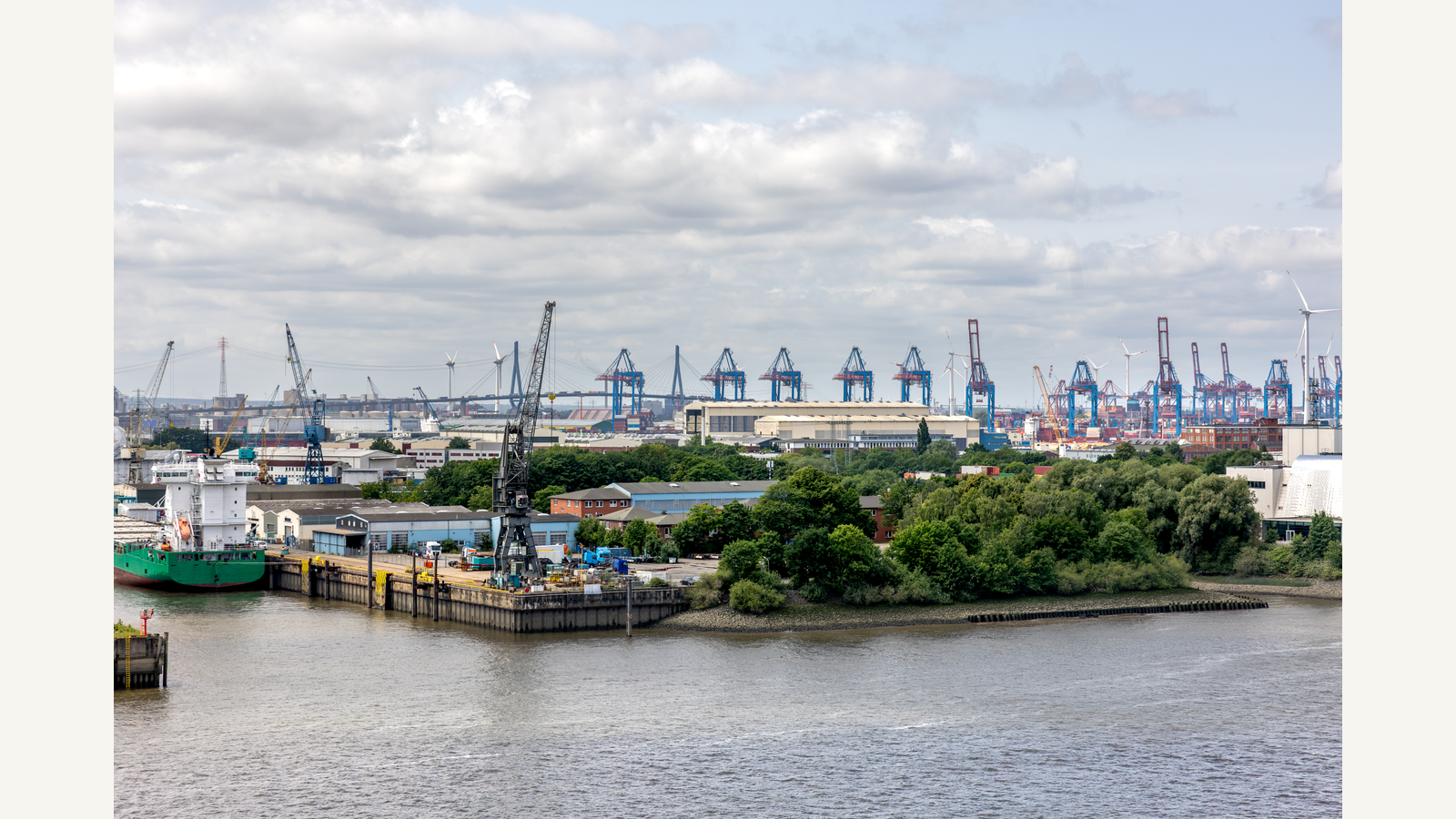
Illustration of port cranes and industrial waterfront infrastructure beside open water.

A feeder berth, not yet a deep-sea gateway

Final approval of the port limits would be a necessary administrative step. It would define the water and shore area controlled for port development, which in turn affects surveys, dredging plans, navigation design and the location of marine works. Yet the gap between what Dawei is now and a deep-sea gateway is still vast. A Ministry of Commerce logistics page describes one berth intended for feeder vessels after dredging to 7.5 metres.

That falls far short of a major deep-sea port, which the government page presents as planned development. Marine contractors should look for hydrographic surveys, geotechnical investigations and an approved dredging strategy before treating the project as ready for tender. Above all, the port’s business case rests on committed industrial tenants or on cargo forecasts backed by users; without them, capacity risks becoming a stranded asset.

The Dawei Special Economic Zone Management Committee presents the site as the western end of an overland corridor connecting Bangkok, Phnom Penh and Ho Chi Minh City, with a link to Thailand’s Eastern Seaboard. But Thailand’s National Economic and Social Development Council notes that economic corridors need policy alignment and regulatory integration as well as hardware. Paved roads alone do not make a working trade corridor.

A corridor Myanmar cannot deliver alone

Cross-border capacity, customs procedures and vehicle rules will shape trade flows as much as physical infrastructure, and a Myanmar port concession cannot settle them on its own. Contractors should separate work inside the economic zone from broader claims about cross-border logistics. Local marine or power packages could go ahead before the whole corridor works commercially, while weak border arrangements would shrink the port’s addressable cargo even if construction advanced. A bankable programme would also show formal Thai participation where cross-border assets or rules require it, and say who will pay for connecting roads and border facilities.

Security adds further commercial risk. The Irrawaddy reported on 14 July that Myanmar military operations had intensified near the project area in Yebyu Township, citing local and resistance sources. Although these claims are not independently verified, they point to risks to site access, workforce movement, insurance, equipment protection and political-risk pricing that commercial parties cannot ignore.

Where security conditions affect site access, international lenders and contractors may judge the underlying risks uninsurable, which would thin the field of bidders and push up capital costs. Procurement would need transparent access arrangements and credible safeguards for workers and residents, as well as environmental and social studies that reflect current conditions.

Dawei’s location on the Indian Ocean keeps its strategic appeal, and its political backing has strengthened. But administrative intent has to become documents that allocate risk before the project means much commercially. A disclosed concession structure and an updated masterplan would be important early steps, followed by funded procurement packages with a defined scope. Power capacity, fuel arrangements and the offtaker must be disclosed, and marine tenders should follow current surveys and environmental approvals. Financiers will also want evidence of equity, debt and any state guarantees. Contractors should test payment currency, dispute resolution and termination protection, and suppliers need realistic customs routes and security plans before committing people or inventory.

For now, the revival is one of negotiations and approvals rather than full-scale construction. Dawei is moving faster through government channels than through the machinery of a bankable project.