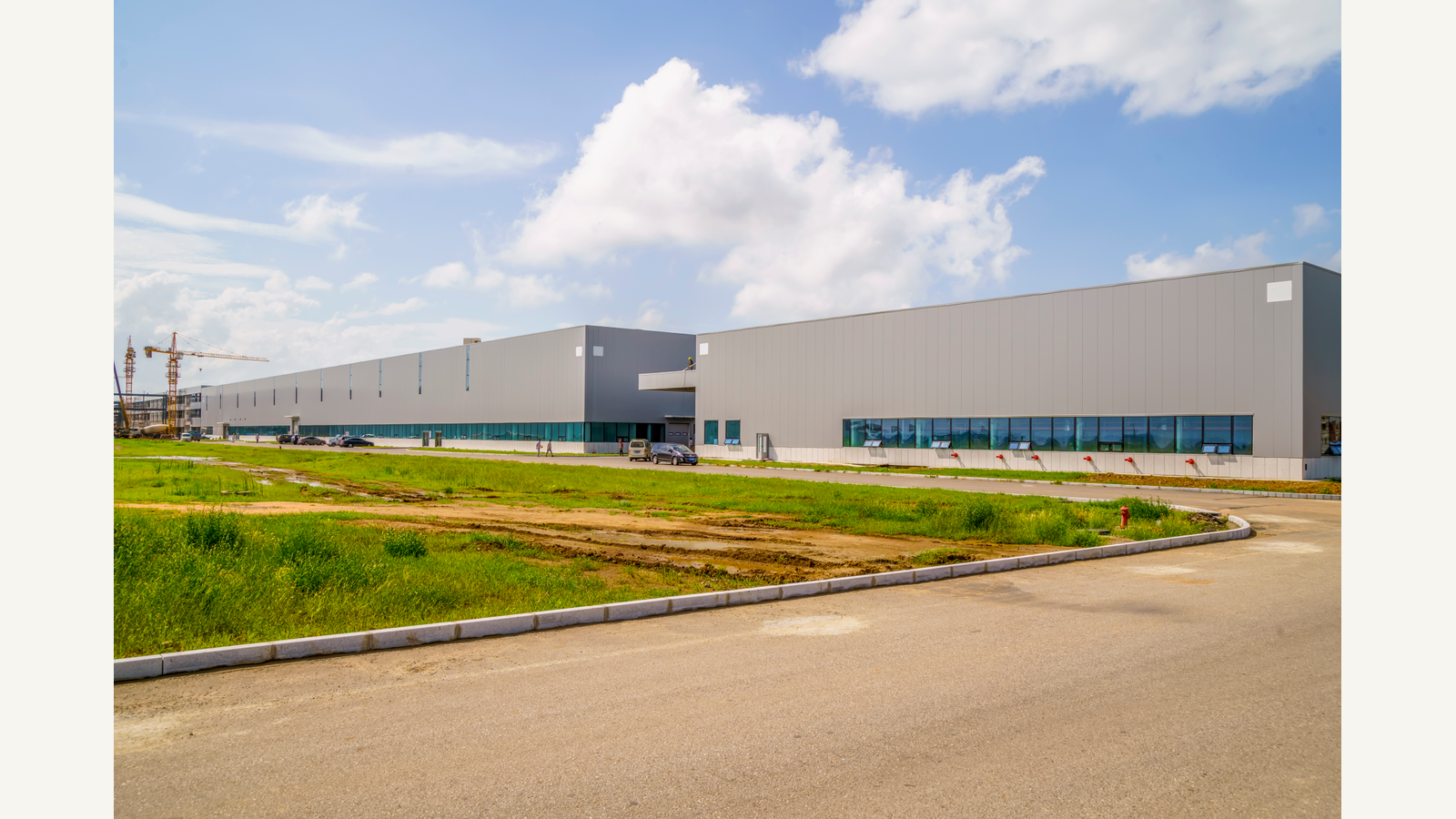
When Binh Hung Industrial Infrastructure Investment broke ground on Tây Giang Industrial Park in Bình Khê commune, Gia Lai, on 19 August, it launched a 1.8 trillion Vietnamese dong (about $69 million) project to expand regional manufacturing. The aim is to turn 300 hectares into a green manufacturing estate by the fourth quarter of 2029.
The real deadline comes much sooner. From January 2027 the developer intends to start courting secondary investors – factory operators that lease or acquire serviced plots rather than build the master estate. That aggressive schedule gives Tây Giang mere months to demonstrate that usable plots and essential infrastructure will materialise in credible phases.
On paper, Gia Lai has momentum. Its economy grew 8.21 per cent in the first half of 2026, and industrial and construction output rose 11.68 per cent. In the same period the province recorded 165 projects with nearly 164.75 trillion dong of registered investment.
Commitments on paper do not produce factory output, however. Turning interest into working plants takes land clearance, reliable power and water, adequate road links and enough time for tenants to secure permits and build. Tây Giang’s commercial test comes well before its 2029 completion date: whether it can hand over its first parcel with dependable services.
Phasing will decide the leasing story
A progress report in March indicated that cadastral surveying was largely complete. Local residents had been invited to verify technical land records, and the developer had completed a survey of forest conditions for land-conversion procedures. The preparatory work was moving forward, but steps of this kind show why the January leasing campaign needs an explicit delivery timeline.
Binh Hung could sharpen its pitch by publishing clear targets for cleared hectarage, internal roads and utility commissioning. Wastewater capacity is critical for an estate marketed on its environmental credentials: plant managers need measurable discharge standards and confirmed treatment capacity before they can assess compliance risk.
There is a benchmark nearby. The plan for the ecological industrial park south of National Highway 19 allocates 30.47 per cent of its site to green space, transport and technical infrastructure, and specifies planned daily water supply of 4,000 cubic metres and wastewater treatment of 2,100 cubic metres. Tây Giang will need commitments as concrete as these if its eco-friendly positioning is to win over corporate tenants.
The port corridor improves the address
Transport links are fast becoming central to the pitch. In May, Gia Lai directed agencies to expedite road connections to Tây Giang and backed Binh Hung’s use of its own capital to widen about two kilometres of existing road from National Highway 19 to Nam Giang village.
The wider corridor links production areas with Quy Nhon Port, which handled 6.3 million tonnes of cargo in the first half of 2026 – a 23 per cent year-on-year increase. The port plans capacity of about 13 million tonnes by 2028, while Gia Lai is developing the Lệ Thanh–Pleiku–Quy Nhon logistics corridor.
The route offers a plausible trade path for food processors, wood-product manufacturers and supporting manufacturers suited to the region’s raw-material base, which could share warehousing, freight and treatment services. That advantage depends on last-mile links being ready when manufacturers install equipment, not merely when the wider park is finished.
Occupancy is the harder measure
To get beyond land registration, Binh Hung must sequence infrastructure around anchor tenants. Early commitments from processors could justify shared cold storage, water treatment and supplier space, and give supporting manufacturers a reason to cluster nearby.
The operational risks are plain. Land procedures can delay possession, road upgrades can lag factory schedules and sustainability pledges may stay purely promotional without disclosed performance thresholds. A January 2027 investor drive is realistic as marketing, but serviced plots under construction will count for more than signed interest.
For Gia Lai, the prize is a larger industrial base and higher value-added exports. Success will show in practical execution on the ground rather than in headline announcements: cleared acreage, commissioned utilities, functional port access and real tenant capital committed on site.