Thailand’s M6 opening shifts focus to unfinished works and toll readiness

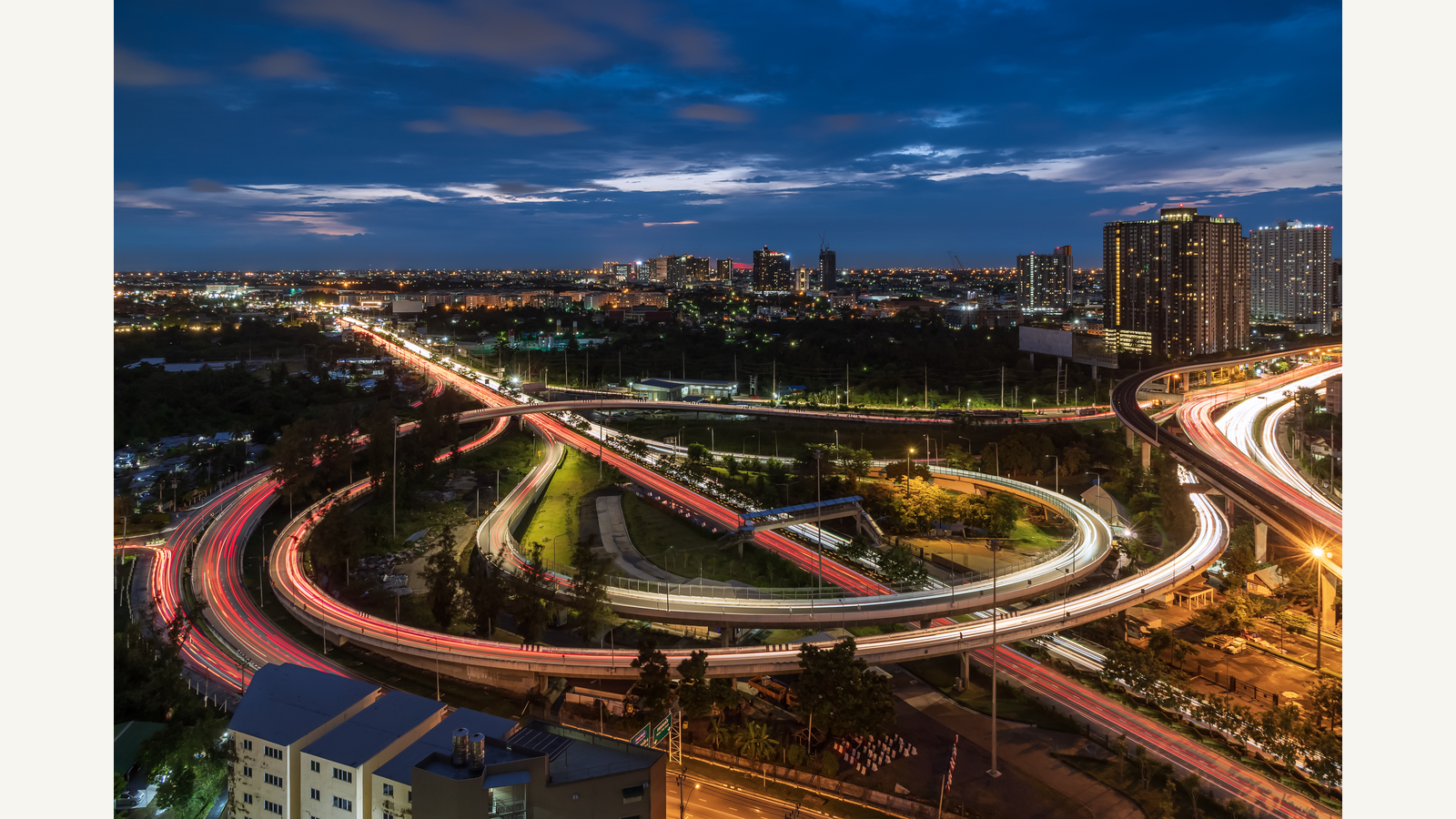
Illustration of an elevated road interchange and expressway under a twilight sky in an urban setting.

Thailand’s Department of Highways began a new stage of trial operations on the M6 motorway on 21 August. A 110 km section from Bang Pa-in to Pak Chong opened free on weekends, linking with the existing daily trial section to Nakhon Ratchasima. That widens access along the 196 km corridor while construction is unfinished and toll systems are still under test.

The weekend section is open from noon on Friday until midnight on Sunday, to four-wheel vehicles only, at no more than 80 kilometres per hour. The department aims to move to free, continuous service along the full route on 25 December.

Bangkok-bound traffic cannot yet use the M6 continuously through the Pak Chong–Muak Lek stretch. Drivers must leave at Pak Chong, follow local connecting roads and rejoin at Muak Lek. The detour pushes motorway traffic onto local roads and may erode time savings at weekend peaks.

The bottleneck comes from roughly 13 unfinished elevated sections, where precast installation, paving, bridge joints and safety barriers are still outstanding. The jobs are tightly sequenced, so a delay in a single package could stall safety checks or push back the handover of the complete route.

The Department of Highways said civil works were more than 99 per cent complete on opening day, and systems and toll plazas more than 92 per cent. Those figures leave little room for delay, because the remaining work decides whether the highway can operate safely and collect revenue.

Split schedules and a detour test traffic control

The department has lined up traffic staff and emergency support with police, rescue teams and local agencies. It needs that coordination because sections of the highway run on different schedules. Clear signage and up-to-date navigation data will be essential around the temporary detour and restricted access points.

Officials expect about 300,000 vehicle movements over each three-day trial weekend, or roughly 100,000 a day. The Department of Highways estimates that the M6 could divert 30–40 per cent of traffic from Phahonyothin and Mittraphap roads.

Those projections are an early test of induced demand and congestion transfer. A fast arterial route offers little relief if bottlenecks simply form where vehicles rejoin the older road network. The trial gives operators real-time insight into where congestion may build before round-the-clock service begins.

Tolls after Songkran, rest areas later still

Travel is expected to stay free through the year-end transition. Toll collection is planned to start around April 2027, after the Songkran holiday, though the exact date is unconfirmed. The window gives the department time to finish equipment and test processes, but it also delays cash from a heavily used asset.

Commercial development along the route will take longer. Fifteen rest areas are planned, eight on the side towards Nakhon Ratchasima and seven towards Bang Pa-in. During the initial trial phase only the temporary facilities at Thap Kwang and Sikhio are open.

The department expects to sign private partners around February 2027 under a public-private partnership model. The operators chosen would upgrade and manage parts of the sites, with the aim of opening all 15 within roughly two years.

The schedule offers opportunities for service operators and contractors, but leaves a gap in services as traffic builds. Investors will want clarity on traffic volumes, tolling schedules and site access before committing capital. For state planners, the next milestones are linked: finishing the elevated structures allows continuous traffic, toll readiness supports revenue and reliable traffic flow strengthens the commercial case for rest areas.

Myanmar and Russia push to revive Dawei port, but commercial hurdles linger

Illustration of a large weathered ship anchor pressing into a stack of blank papers beside a small wharf and cargo vessel on a painted tropical coast.

Myanmar’s Ministry of Information announced on 6 July that procedures to resume work on Dawei were under way under the 2014 Myanmar Special Economic Zone Law, with the formal definition and approval of the deep-sea port limits in its final stage. This followed a February 2025 Myanmar-Russia memorandum of intent on investment cooperation. On 5 June, Russian power company Inter RAO and Myanmar’s Launglon Economic Development signed a separate memorandum for development of a power plant at the port.

These steps give the project official backing and a prospective energy partner, but no committed financing, concrete engineering designs or construction schedules for the wider zone. What has been made public on the full development goes no further than approvals, intent and planning.

Dawei’s troubled record raises the bar for investors. Myanmar ended its project agreement with the previous investor, Italian-Thai Development, in 2020, according to the Ministry of Information, and the authorities say they are now coordinating with a project developer to restart work. Financiers will need clarity on who owns the concession, where the asset boundaries lie and how earlier obligations are settled, while contractors need a clear employer with land rights, payment security and the authority to issue packages.

The proposed power station is a possible way in, since heavy industry needs a steady supply of electricity. But a memorandum is not an engineering, procurement and construction contract, and the official announcements leave out the essentials: generation capacity, fuel source, exact site, project cost, financing and who will buy the power.

Power generation and industrial development are mutually dependent, with a plant needing credible customers, and factories needing confidence that power will arrive. Breaking that circle usually takes phased demand commitments, bankable supply agreements or sovereign support. Feasibility studies, environmental approvals and an off-take structure would be useful next signals, though a financing mandate or tender notice would carry more commercial weight than another signing ceremony.

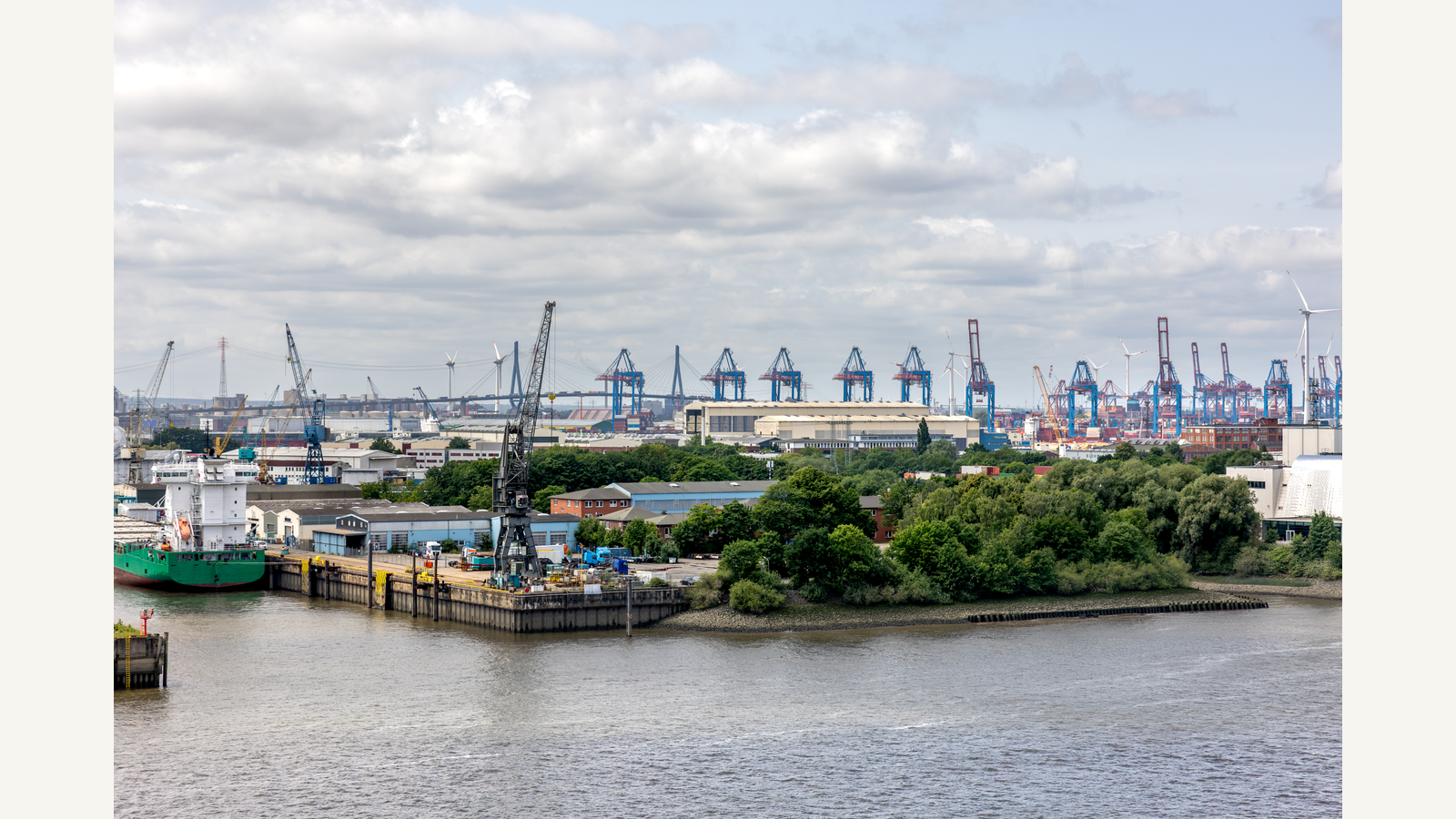
Illustration of port cranes and industrial waterfront infrastructure beside open water.

A feeder berth, not yet a deep-sea gateway

Final approval of the port limits would be a necessary administrative step. It would define the water and shore area controlled for port development, which in turn affects surveys, dredging plans, navigation design and the location of marine works. Yet the gap between what Dawei is now and a deep-sea gateway is still vast. A Ministry of Commerce logistics page describes one berth intended for feeder vessels after dredging to 7.5 metres.

That falls far short of a major deep-sea port, which the government page presents as planned development. Marine contractors should look for hydrographic surveys, geotechnical investigations and an approved dredging strategy before treating the project as ready for tender. Above all, the port’s business case rests on committed industrial tenants or on cargo forecasts backed by users; without them, capacity risks becoming a stranded asset.

The Dawei Special Economic Zone Management Committee presents the site as the western end of an overland corridor connecting Bangkok, Phnom Penh and Ho Chi Minh City, with a link to Thailand’s Eastern Seaboard. But Thailand’s National Economic and Social Development Council notes that economic corridors need policy alignment and regulatory integration as well as hardware. Paved roads alone do not make a working trade corridor.

A corridor Myanmar cannot deliver alone

Cross-border capacity, customs procedures and vehicle rules will shape trade flows as much as physical infrastructure, and a Myanmar port concession cannot settle them on its own. Contractors should separate work inside the economic zone from broader claims about cross-border logistics. Local marine or power packages could go ahead before the whole corridor works commercially, while weak border arrangements would shrink the port’s addressable cargo even if construction advanced. A bankable programme would also show formal Thai participation where cross-border assets or rules require it, and say who will pay for connecting roads and border facilities.

Security adds further commercial risk. The Irrawaddy reported on 14 July that Myanmar military operations had intensified near the project area in Yebyu Township, citing local and resistance sources. Although these claims are not independently verified, they point to risks to site access, workforce movement, insurance, equipment protection and political-risk pricing that commercial parties cannot ignore.

Where security conditions affect site access, international lenders and contractors may judge the underlying risks uninsurable, which would thin the field of bidders and push up capital costs. Procurement would need transparent access arrangements and credible safeguards for workers and residents, as well as environmental and social studies that reflect current conditions.

Dawei’s location on the Indian Ocean keeps its strategic appeal, and its political backing has strengthened. But administrative intent has to become documents that allocate risk before the project means much commercially. A disclosed concession structure and an updated masterplan would be important early steps, followed by funded procurement packages with a defined scope. Power capacity, fuel arrangements and the offtaker must be disclosed, and marine tenders should follow current surveys and environmental approvals. Financiers will also want evidence of equity, debt and any state guarantees. Contractors should test payment currency, dispute resolution and termination protection, and suppliers need realistic customs routes and security plans before committing people or inventory.

For now, the revival is one of negotiations and approvals rather than full-scale construction. Dawei is moving faster through government channels than through the machinery of a bankable project.