

Thailand’s M6 opening shifts focus to unfinished works and toll readiness
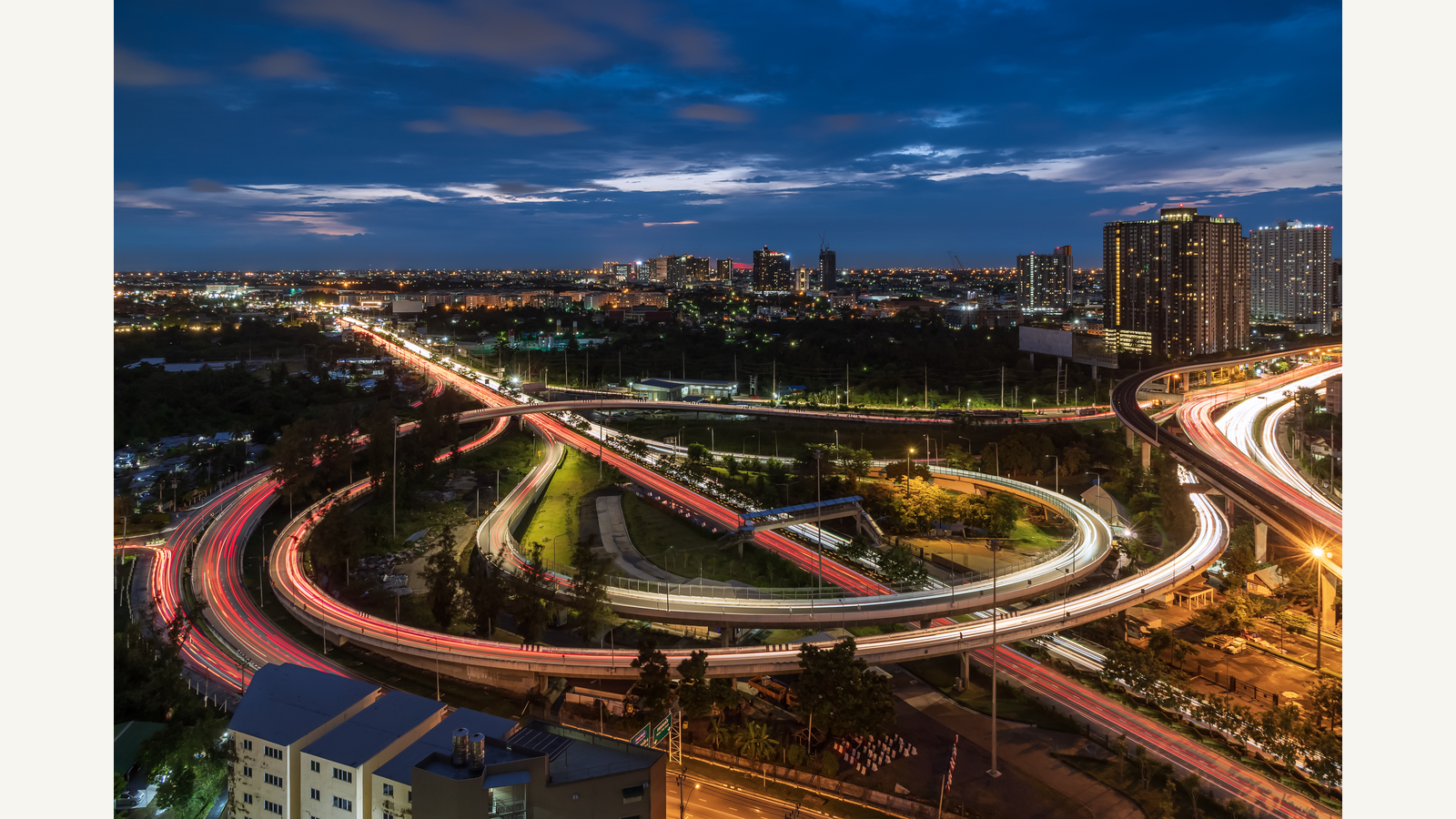
Thailand’s Department of Highways began a new stage of trial operations on the M6 motorway on 21 August. A 110 km section from Bang Pa-in to Pak Chong opened free on weekends, linking with the existing daily trial section to Nakhon Ratchasima. That widens access along the 196 km corridor while construction is unfinished and toll systems are still under test.
The weekend section is open from noon on Friday until midnight on Sunday, to four-wheel vehicles only, at no more than 80 kilometres per hour. The department aims to move to free, continuous service along the full route on 25 December.
Bangkok-bound traffic cannot yet use the M6 continuously through the Pak Chong–Muak Lek stretch. Drivers must leave at Pak Chong, follow local connecting roads and rejoin at Muak Lek. The detour pushes motorway traffic onto local roads and may erode time savings at weekend peaks.
The bottleneck comes from roughly 13 unfinished elevated sections, where precast installation, paving, bridge joints and safety barriers are still outstanding. The jobs are tightly sequenced, so a delay in a single package could stall safety checks or push back the handover of the complete route.
The Department of Highways said civil works were more than 99 per cent complete on opening day, and systems and toll plazas more than 92 per cent. Those figures leave little room for delay, because the remaining work decides whether the highway can operate safely and collect revenue.
Split schedules and a detour test traffic control
The department has lined up traffic staff and emergency support with police, rescue teams and local agencies. It needs that coordination because sections of the highway run on different schedules. Clear signage and up-to-date navigation data will be essential around the temporary detour and restricted access points.
Officials expect about 300,000 vehicle movements over each three-day trial weekend, or roughly 100,000 a day. The Department of Highways estimates that the M6 could divert 30–40 per cent of traffic from Phahonyothin and Mittraphap roads.
Those projections are an early test of induced demand and congestion transfer. A fast arterial route offers little relief if bottlenecks simply form where vehicles rejoin the older road network. The trial gives operators real-time insight into where congestion may build before round-the-clock service begins.
Tolls after Songkran, rest areas later still
Travel is expected to stay free through the year-end transition. Toll collection is planned to start around April 2027, after the Songkran holiday, though the exact date is unconfirmed. The window gives the department time to finish equipment and test processes, but it also delays cash from a heavily used asset.
Commercial development along the route will take longer. Fifteen rest areas are planned, eight on the side towards Nakhon Ratchasima and seven towards Bang Pa-in. During the initial trial phase only the temporary facilities at Thap Kwang and Sikhio are open.
The department expects to sign private partners around February 2027 under a public-private partnership model. The operators chosen would upgrade and manage parts of the sites, with the aim of opening all 15 within roughly two years.
The schedule offers opportunities for service operators and contractors, but leaves a gap in services as traffic builds. Investors will want clarity on traffic volumes, tolling schedules and site access before committing capital. For state planners, the next milestones are linked: finishing the elevated structures allows continuous traffic, toll readiness supports revenue and reliable traffic flow strengthens the commercial case for rest areas.