

Phú Mỹ digital twin tests value beyond 3D visualisation
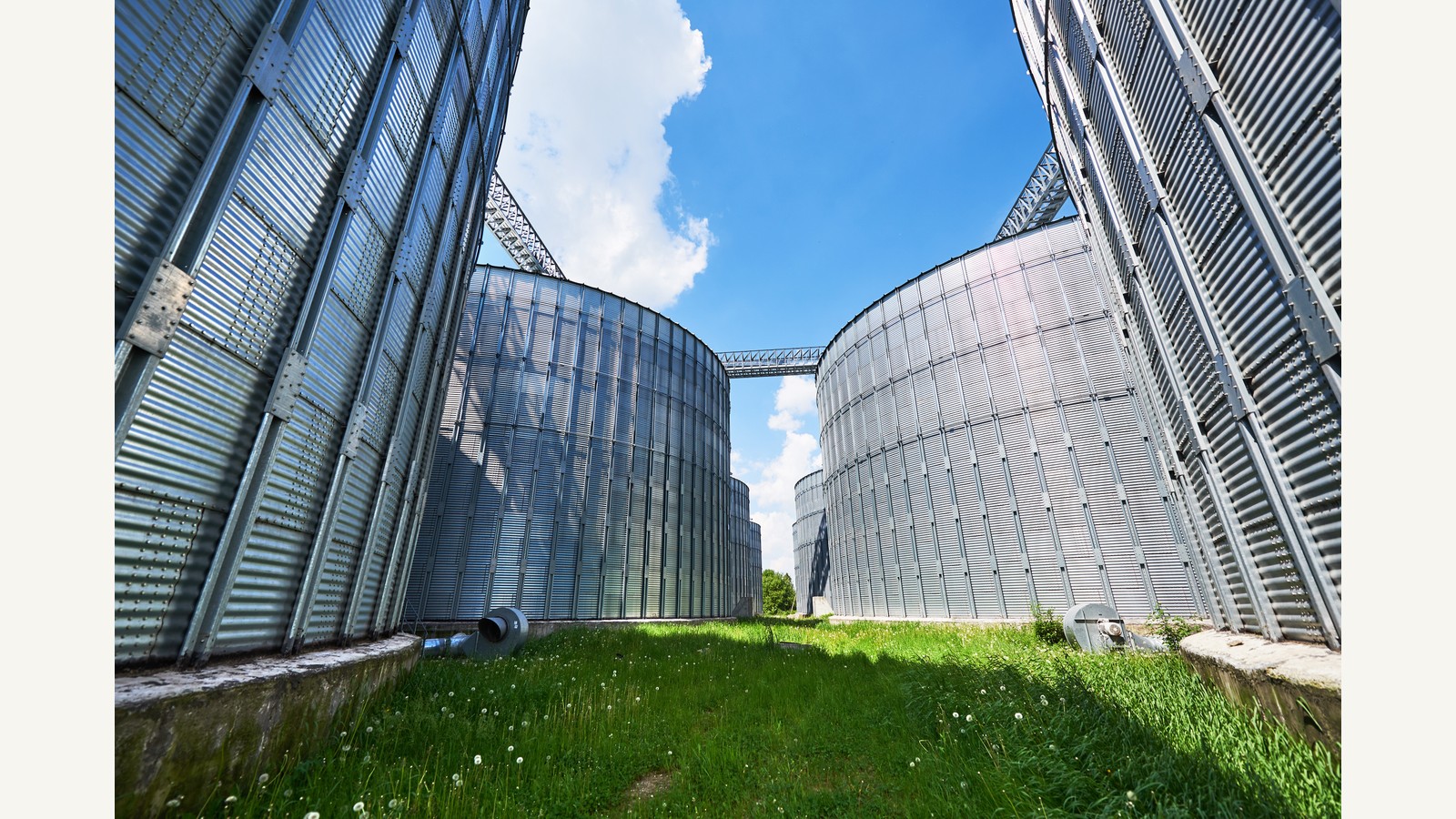
Technology group FPT and fertiliser producer PVFCCo-Phú Mỹ completed a digital twin at Vietnam’s Phú Mỹ Fertiliser Plant in mid-June. The partners started with site surveys and system design, then moved to data collection, integration and testing. The aim was to link the physical plant with technical records and operating data to improve maintenance, safety, training and management.
The system places 360-degree imagery beneath an asset hierarchy that runs from plant to workshop, area, equipment group and individual asset. It covers the production zones for ammonia, urea, NPK fertiliser and carbon dioxide, as well as warehouses and support areas. Each tagged asset can take users to drawings, catalogues, instructions and maintenance records, so static documents and live Internet of Things data sit in the same equipment context.
That structure is worth more than the visual tour. A three-dimensional model may make the plant easier to navigate, but it has operational value only when equipment identities match the engineering records. Technicians must be able to move from a pump or valve to the correct drawing, history and current condition without reconciling conflicting codes.
The Phú Mỹ deployment offers a practical adoption sequence for ageing industrial sites across Southeast Asia. Suppliers first capture the facility and audit existing records, then build the asset hierarchy, attach governed documents and connect selected operating feeds. Critical equipment should come first, because trying to clean every record before launch risks delaying the benefits.
FPT said Phú Mỹ’s maintenance teams had been held back by paper files and scattered data sources. Data cleaning and ownership therefore become part of the product rather than preliminary chores.
Workforce transfer is the next critical phase. FPT trained PVFCCo engineering, operations and management teams to navigate the model, locate equipment and retrieve tagged information, and users also practised sharing, annotation and reporting. That builds the knowledge into daily work and reduces reliance on the implementation team.
Lower downtime and faster repairs are still unproven
So far the project shows a working information layer and trained users. It does not yet prove lower downtime, faster repairs or fewer safety incidents; showing those will require tracking adoption metrics and operational performance over time.
IBM’s digital-twin maturity model draws a useful distinction: basic models are visual representations, whereas dynamic twins keep a live connection to physical assets and can support simulation. Maintenance platforms can go further, connecting twins to maintenance work processes and asset visibility.
For Phú Mỹ, the next commercial test is whether equipment tags become entry points for maintenance work orders, inspection findings and safety controls. Data from distributed control systems or supervisory control and data acquisition systems must also carry consistent timestamps and asset identities; otherwise stale documents and mismatched records risk breeding false confidence.
Cybersecurity and permissions add further constraints. A shared plant view can expose operating conditions, equipment layouts and safety data, so operators will need role-based access, change logs and clear ownership of every update.
A staged service for engineering-software suppliers
The repeatable commercial opportunity lies beyond one-off modelling contracts. Engineering-software suppliers can package site capture, asset-data mapping, system connectors and workforce adoption into a staged service, then extend revenue into managed updates, integration support and higher-value analytics.
That creates demand along the supply chain for imaging specialists, industrial data engineers, sensor vendors and maintenance-software providers. Local delivery capacity is important here, because brownfield plants carry decades of uneven records and staff knowledge that rarely fit a standard template.
FPT said the architecture can later support project management, infrastructure records, new-worker training and intelligent management tools. The prudent path is still incremental: suppliers that show faster information retrieval and better work execution before offering predictive capabilities will have the stronger case for replication across the region’s industrial assets.