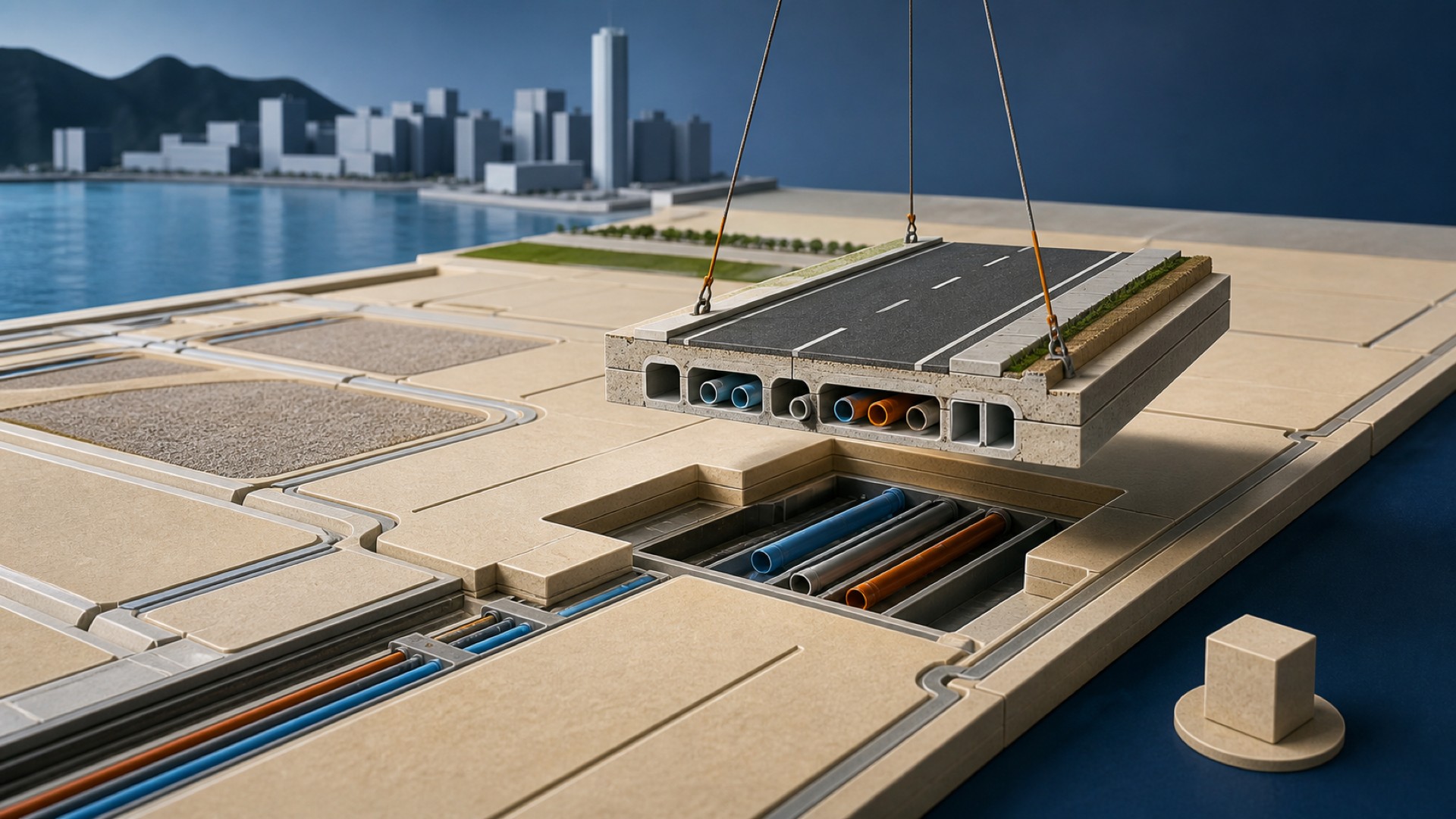
Hong Kong’s Civil Engineering and Development Department (CEDD) has awarded a HK$689 million contract for remaining infrastructure in Tung Chung East, advancing plans to convert reclaimed land into a fully serviced urban district.
The deal for Contract NL/2026/08 was signed with Sang Hing-Tapbo Joint Venture on 18 August. The scope covers fill disposal and the construction of Roads D3 and L1, with the footpaths, cycle tracks, a car park, drainage, sewerage, waterworks, district cooling mains and landscaping that go with them.
Work officially commenced on 19 August, with completion slated for 2030 – moving the package swiftly from procurement to ground delivery.
A late package in a phased build
The multi-stage Tung Chung New Town Extension is meant to raise population capacity and add community facilities across Tung Chung East and West. The physical works cover roughly 130 hectares of reclamation in Tung Chung East, along with roads, footbridges, utility networks and flood prevention structures. Bulk land formation at Tung Chung East was finished in January 2023.
Detailed design began in phases in 2016, and a 2021 Legislative Council paper set a target completion date of 2030 for the whole extension. Contract NL/2026/08 sits between basic land creation and civil integration: it turns raw platform into buildable urban land.
Commercially, the award moves the project from site preparation to the complex job of integrating systems. Surface roads must line up with the utilities beneath them, and public spaces have to fit around both. Delivery will depend heavily on coordination between trades rather than on how fast any single contractor can work.
One contract, several supply chains
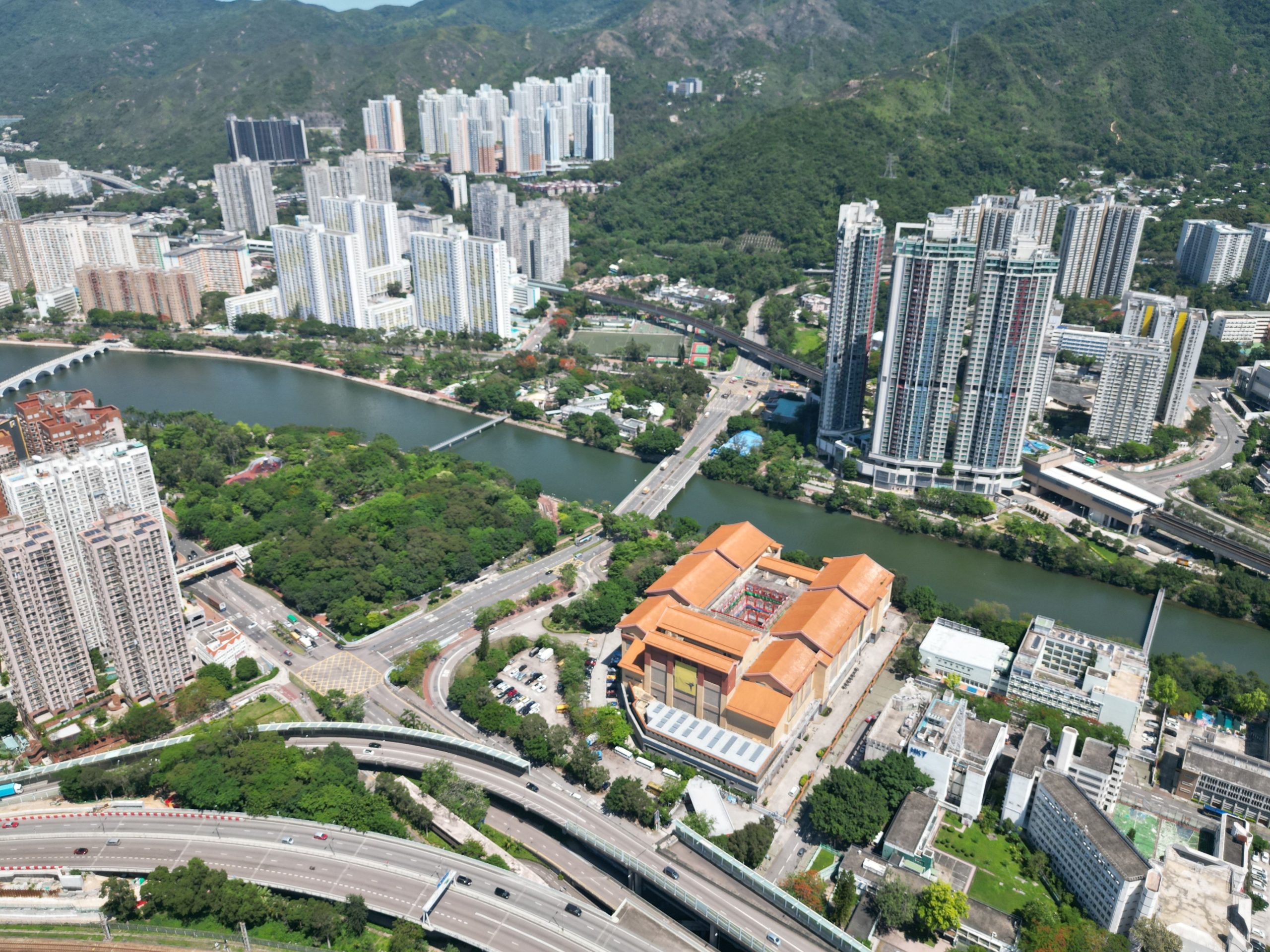
The contract pools work that is normally split among specialist firms. Road builders need earthworks, asphalt, kerbs and traffic equipment, whereas drainage and sewerage teams need piping, concrete chambers and pressure testing.
Waterworks demand specialised pipework, while district cooling lines bring another utility interface, and surface finishes for cycle tracks and landscaping must sit atop buried networks. Although it opens avenues for subcontractors and material vendors, the HK$689 million figure reflects total contract value rather than net spending for any single supplier.
Bundling the tasks raises interface risk. A design change to an underground pipe can halt the road paving above it, tight site boundaries leave trades competing for access, and late testing of a line can cause cascading delays across the finishing work that follows.
One day from signing to start
With work starting a day after signing, the first tasks are site setup, logistics planning and aligning boundaries with adjacent work zones, rather than construction everywhere at once. CEDD notes several nearby contracts running concurrently, elevating concerns over temporary traffic routing, utility tie-ins and competition for specialised labour.
Official notices give only start and end dates, so progress to 2030 has to be tracked through four checkpoints: site mobilisation and method clearances; fill disposal alongside pipe installation; network testing across drainage, sewerage, water and district cooling; and final road surfacing and civic handover.
The 2030 finish is a planning target, not a promise. Severe weather, interface disputes, access constraints or late approvals can shift the programme without any change to the contract terms.
The contract is worth HK$689 million, was awarded to the Sang Hing-Tapbo Joint Venture and covers a combined road-utility scope, with a 2030 target. Public disclosures omit profit margins, subcontracts and material volumes, and fail to break down costs by work type – making it unwise for market suppliers to view the headline figure as accessible revenue.
For contractors, laying underground services before the asphalt goes down will be critical to avoiding costly rework. For municipal authorities, NL/2026/08 tests whether phased procurement can deliver an integrated, working economic hub on time.