

SIG’s 400-tonne daily rice-husk diet tests whether farm waste cuts cement costs
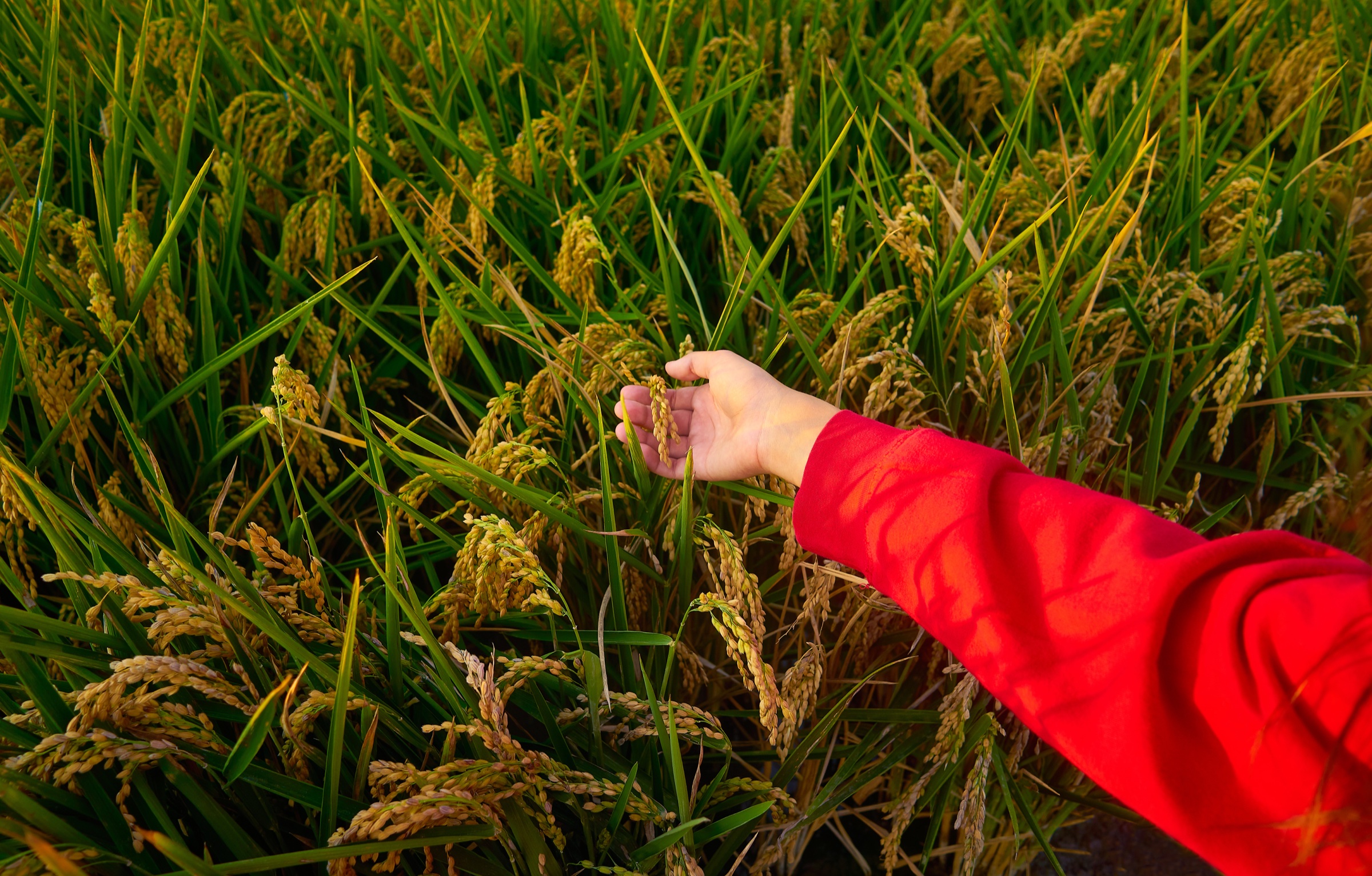
By burning 400 tonnes of rice husk a day at its Tuban plant in East Java, Indonesian state-owned cement group Semen Indonesia (SIG) claims it now has an alternative fuel that makes its operations more reliable and strengthens its low-emission green cement. Husk dominates the biomass mix there, according to president director Indrieffouny Indra, ahead of fine coconut-husk powder, corn cobs, sawdust and bagasse.
Indra said on 25 September that biomass gives the company an alternative energy source to improve operating reliability – although this indicates continuity of supply, not savings. SIG has not published a thermal substitution rate for Tuban, the calorific value of the husk, the coal it displaces or the price it pays per tonne, so 400 tonnes cannot yet be turned into a cost figure. The only substitution rate on the record is for the group: 9.77 per cent in 2025, short of a 20 per cent roadmap ambition. Husk may lead the biomass at one plant, but a group rate at that level suggests a useful addition to the fuel bill rather than a change in kiln economics.
SIG reports a 5.2 per cent reduction in Scope 1 and Scope 2 emissions in 2025 against a 2019 baseline, set against a commitment to cut them by 33.7 per cent per tonne of cementitious material by 2032 from that baseline.
The husk comes from local farmers and 10 rice-milling companies in Tuban, Lamongan, Bojonegoro and Rembang. One supplier, Pionir Nusantara Sukses, sends about 2,500–3,000 tonnes a month, according to director Irsan Yanuardi, mostly bought from collectors in Tuban, Lamongan and Bojonegoro and partly direct from farmers. It has delivered 20,000 tonnes since early 2025. Yanuardi says weather affects husk quality and stock, though his revenue has kept rising. SIG has not disclosed contract terms or any buffer stock, so until it does, the weather risk he describes is a kiln risk.
Husk is also a power-sector fuel. A report on 1 June was headlined as PLN EPI teaming up with BWI to supply rice-husk biomass for the Indramayu power plant. Neither SIG nor PLN EPI has said whether the two draw on the same collectors. If power generators scale up co-firing, collectors gain a second buyer, and a fuel bought partly from farmers and middlemen will go to whoever pays more. A cost advantage that rests on a waste stream is only as secure as the price of that waste.
SIG’s case for demand rests on its product mix. Sustainable solutions generated 62 per cent of revenue in 2025, above the 2030 roadmap target of 49 per cent, and eco-friendly or green products reached 22.456 million tonnes against 21.836 million tonnes in 2024. Those figures show SIG labelling more of its output green. They do not show that public or private buyers specify certified low-carbon cement or pay more for it, and SIG has not said whether the Tuban product carries third-party certification or a price premium. Husk gives the product a story; buyers’ specifications decide whether it earns a margin.
Suppliers and buyers should watch Tuban’s thermal substitution rate and coal displaced, the delivered husk price against coal, the terms SIG offers its mills, and whether power-sector biomass buying reaches the same collectors. A cement buyer should ask for product-level emissions data before paying for a green label, and a husk seller should seek terms that survive a rise in competing demand.