
MRCB’s Makkah study tests if Malaysian transit skills can win Saudi work
By signing an agreement to explore a transport-led mixed-use scheme at King Salman Gate in Makkah, Malaysian property and construction group MRCB claims it now brings its transit-oriented development experience to one of Saudi Arabia’s most closely watched pilgrim-area projects.
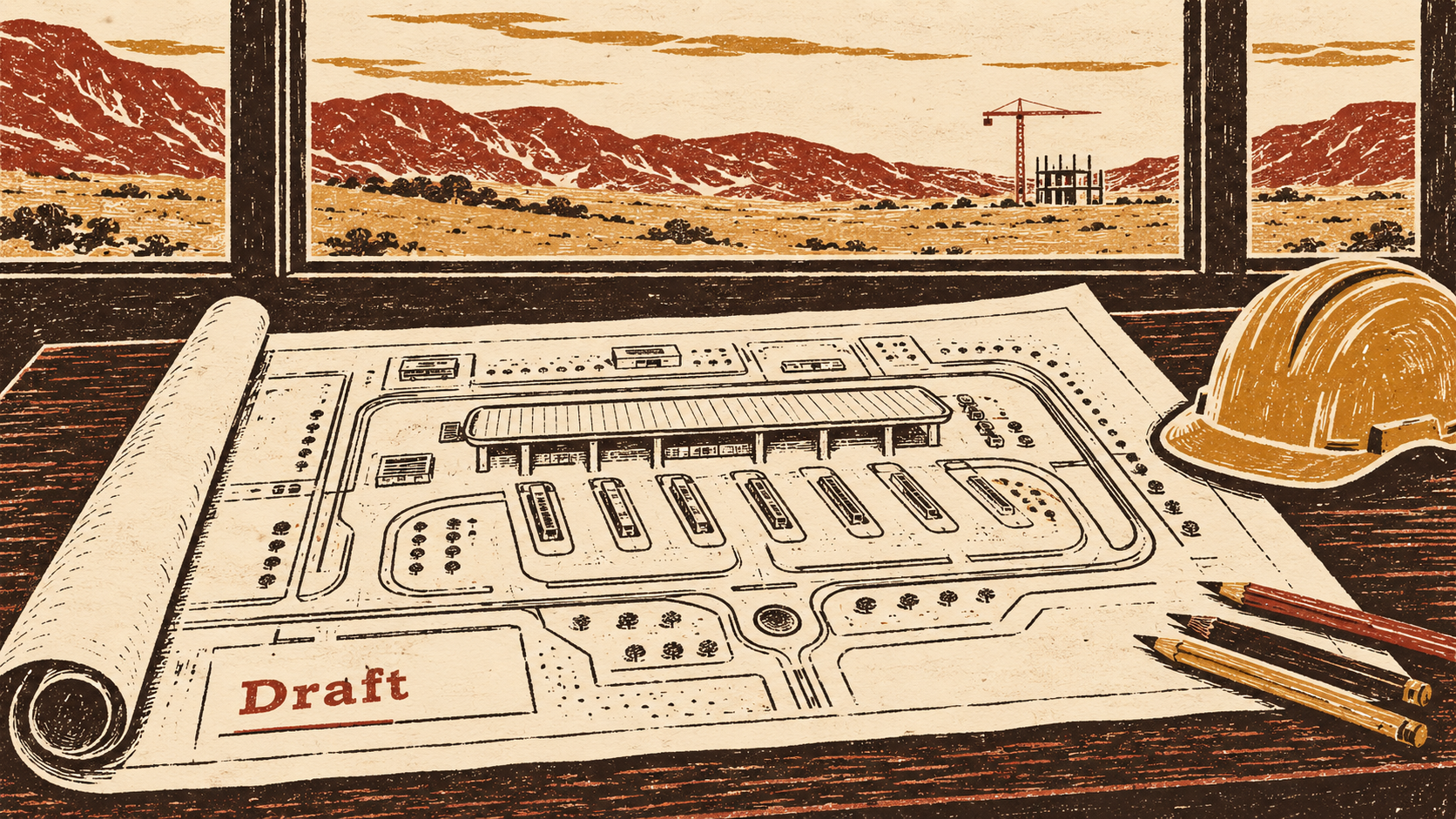
MRCB International signed with RUA AlHaram AlMakki, a Public Investment Fund company and master developer of King Salman Gate. The two will explore a development with an indicative gross development value of approximately 21 billion Saudi riyals (about $5.6 billion; 22.86 billion Malaysian ringgit), subject to due diligence, approvals, financing, phasing and definitive agreements. The scheme would include a public bus terminal with residential, commercial and retail components. Until those conditions are met, there is no contractor package to bid for. MRCB told Bursa Malaysia the collaboration would focus on a framework covering development, funding and execution, which means the funding model is the thing under study, not a settled fact. Neither company has disclosed MRCB’s role, any capital it must commit or how long the study will run.
MRCB’s strongest card is KL Sentral. It developed the 18 billion ringgit KL Sentral CBD, pioneered transit-oriented development in Malaysia and points to the site as the country’s largest integrated transport hub. That is a genuine record in tying a station to offices, homes and retail. It is less proof of handling a bus terminal for pilgrims and visitors, whose arrivals follow religious calendars rather than commuter rhythms. Neither side has published pilgrim volumes or terminal capacity, so the test of MRCB’s design and operating skill lies ahead. Its record in property is the part Riyadh can verify today.
RUA is lining up more than one foreign partner. On the same occasion it signed a Brunei agreement with Perbadanan Tabung Amanah Islam Brunei to explore a joint venture on land plots within King Salman Gate, with an indicative gross development value of approximately 9.7 billion riyals and the same kind of conditions. Malaysian firms therefore cannot assume MRCB is their exclusive route in, and RUA’s search for outside investment suggests MRCB may be asked to bring capital as well as skills. MRCB’s own land bank, with an estimated gross development value of 33 billion ringgit, competes for the same balance sheet. How much of it MRCB can commit abroad is undisclosed.
The nearest followers are the services that travel with a developer: transport planning and design consultants, and facilities managers. Prime minister Anwar Ibrahim named construction, infrastructure and facilities management among the sectors for closer cooperation. MRCB’s engineering arm lists work in highways, rail infrastructure and high-voltage transmission, which suggests where a contractor role could fall if it is appointed. Materials suppliers sit furthest from the money, because procurement rules and local sourcing preferences are unknown. Payment risk is the practical worry in Makkah because a developer’s cash flow depends on financing that is not yet arranged, so any Malaysian firm should treat work before a definitive agreement as unpaid risk.
First, a definitive agreement that names MRCB’s role, since a minority investor and a design-and-build contractor face very different risks. Second, a stated procurement route, showing whether Malaysian firms would be appointed or must bid against Saudi and international rivals. Third, a funding structure that shows who carries construction cost and on what payment terms. Without all three, 21 billion riyals remains a planning number.