

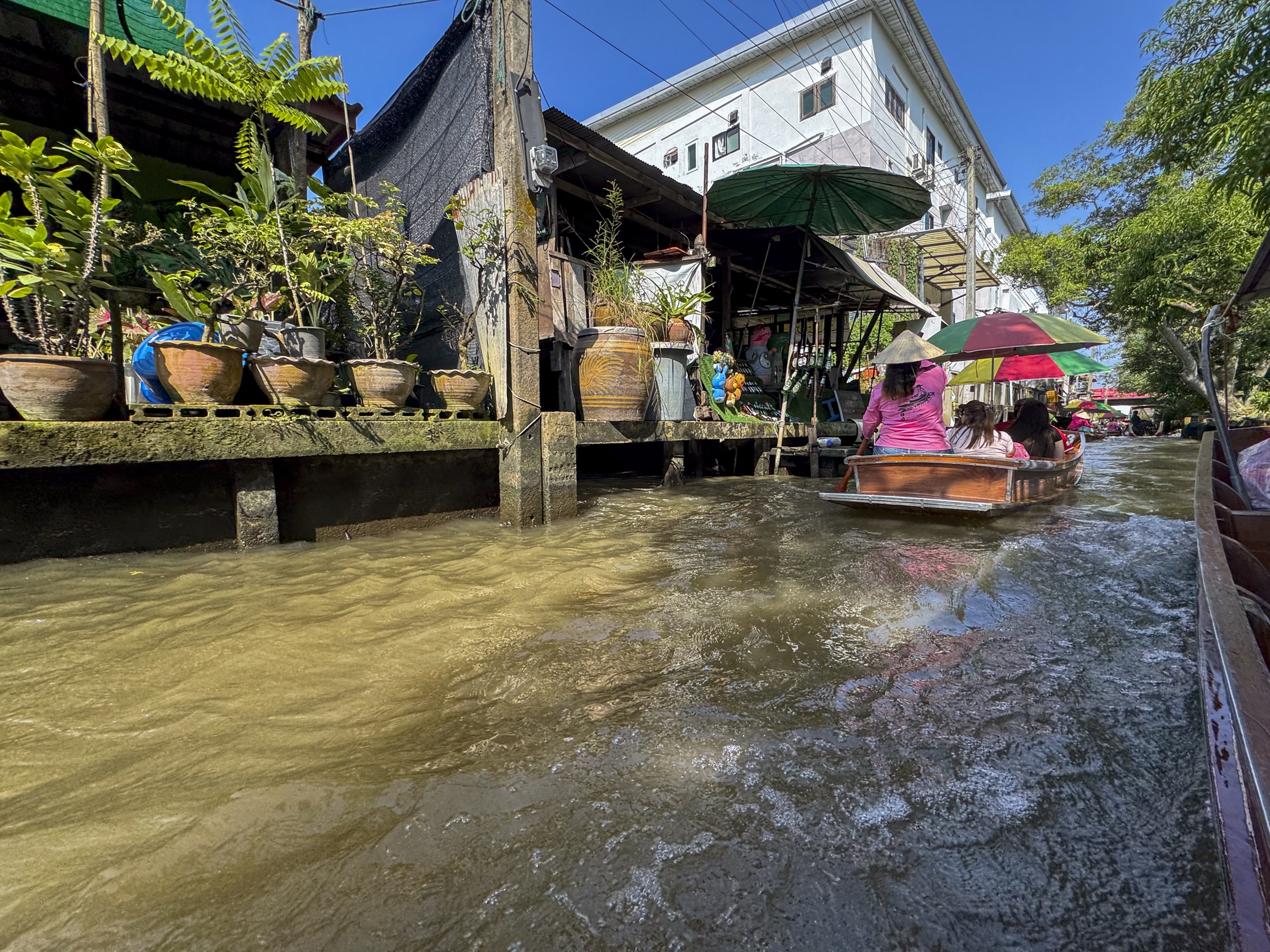
Thai flood losses of 25.3 billion baht shift to repairs and insurers
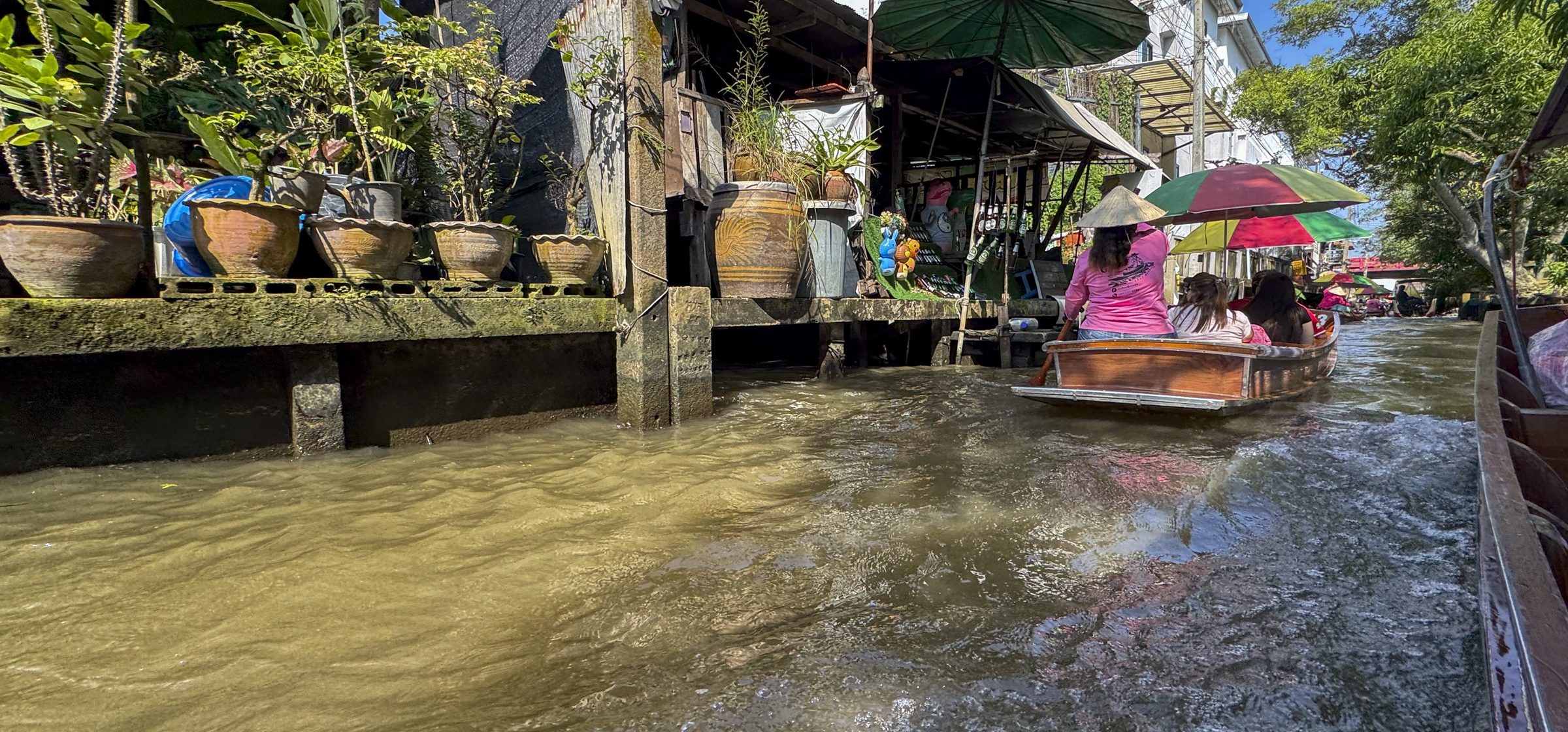
Thailand’s September floods have been priced at 10–33.8 billion Thai baht (about $300 million to $1 billion), yet no published figure says how much of that lands on insurers. That gap decides who pays for the clean-up, and the answer looks harsher for businesses than for households.
Aat Pisanwanich, an associate professor and economist at Rangsit University, puts nationwide losses from the 24–27 September floods at 25.3 billion baht in a moderate-damage scenario, with the low and high cases spanning 16.9–33.8 billion baht. Bangkok bears the most, at 10.586 billion baht, because of disruption to commerce, services and travel. Within the capital, wholesale and retail account for 23.4 per cent of estimated losses, finance and insurance 14.9 per cent and public administration 10.3 per cent. Those shares describe Bangkok only, so they cannot be scaled up into a national split between commerce, services and manufacturing.
The lower figure from the University of the Thai Chamber of Commerce is not a rival answer to the same question. Its president, Thanavath Phonvichai, put nationwide losses at 10 billion baht over three days, with GDP down 0.05 per cent, on the assumption that Bangkok and surrounding provinces recover within three days while flooding elsewhere lasts three to seven days. Rangsit modelled four days across 48 provinces; Thanavath’s preliminary checks found flooding in 21. Neither is a single agreed loss figure.
A separate tally from the university’s forecasting centre, for 25–29 September, reached 12.28 billion baht, with Bangkok at 7.01 billion baht. It counts disrupted economic activity only and leaves out property damage, vehicle losses, inventories and agricultural output.
Thailand’s Cabinet approved a 15.5 billion baht national disaster insurance scheme on 17 September, days before the floods hit. From 1 October it covers roughly 30 million homes, with initial flood payouts of 10,000 baht per household and compensation capped at 100,000 baht. It covers residential property only, and it shifts catastrophic risk above basic government limits onto private insurers. Factories, warehouses and retailers get nothing from it.
Commercial cover carries the larger doubt. Law firm Wotton Kearney has documented that many Thai commercial policies write contingent business interruption extensions, which cover a supplier’s or customer’s premises, on a limited perils basis covering only fire, lightning and explosion. When flood disrupted supply chains in 2011, those extensions did not respond, and many capped cover at 30 days while floodwater stayed more than 90 days in places. Swiss Re puts insured losses from that event at $15 billion against economic losses of $46 billion. Wotton Kearney concludes that ‘fundamental policy structures remain largely unchanged’. A manufacturer insured for its own flooded plant may therefore be uninsured when a flooded supplier stops delivering. The full extent of insured losses was not yet available, so any repricing of flood cover is a judgement call, not a fact.
Repair demand is real but uneven. Kitpon Praipaisarnkit, deputy managing director of UOB Kay Hian Securities (Thailand), expects home-repair and renovation businesses to gain from cleaning, refurbishment and repairs once water recedes, though he says insurance payouts could fall below market expectations. CIMB Thai Bank’s Dr Amonthep Chawla says weaker purchasing power and confidence may limit the recovery from repairs, and calls for clearly allocated flood-prevention investment, water-retention areas and local jobs rather than cash payments alone.
The Federation of Thai Industries’ warning is the best guide to further losses. Chair Pimjai Leeissaranukul said forecasts of heavy rain had not been turned into adequate preparations, and that disruption could run through raw-material procurement, workers’ journeys, transport and deliveries. Industrial damage has so far been contained: as of 28 September no estates in the Eastern Economic Corridor had halted production. Kitpon notes that water in the four main dams is considerably lower than in 2011, leaving capacity for further inflows, yet the Thai Meteorological Service forecast continued heavy rain through the coming week.
Businesses should ask whether contingent cover names flood as a peril, whether prevention-of-access wording reaches beyond physical damage and whether the indemnity period outlasts a long event. They should also line up the alternative routes and service providers the federation urges. A second wave would test the insurance market as much as the clean-up.